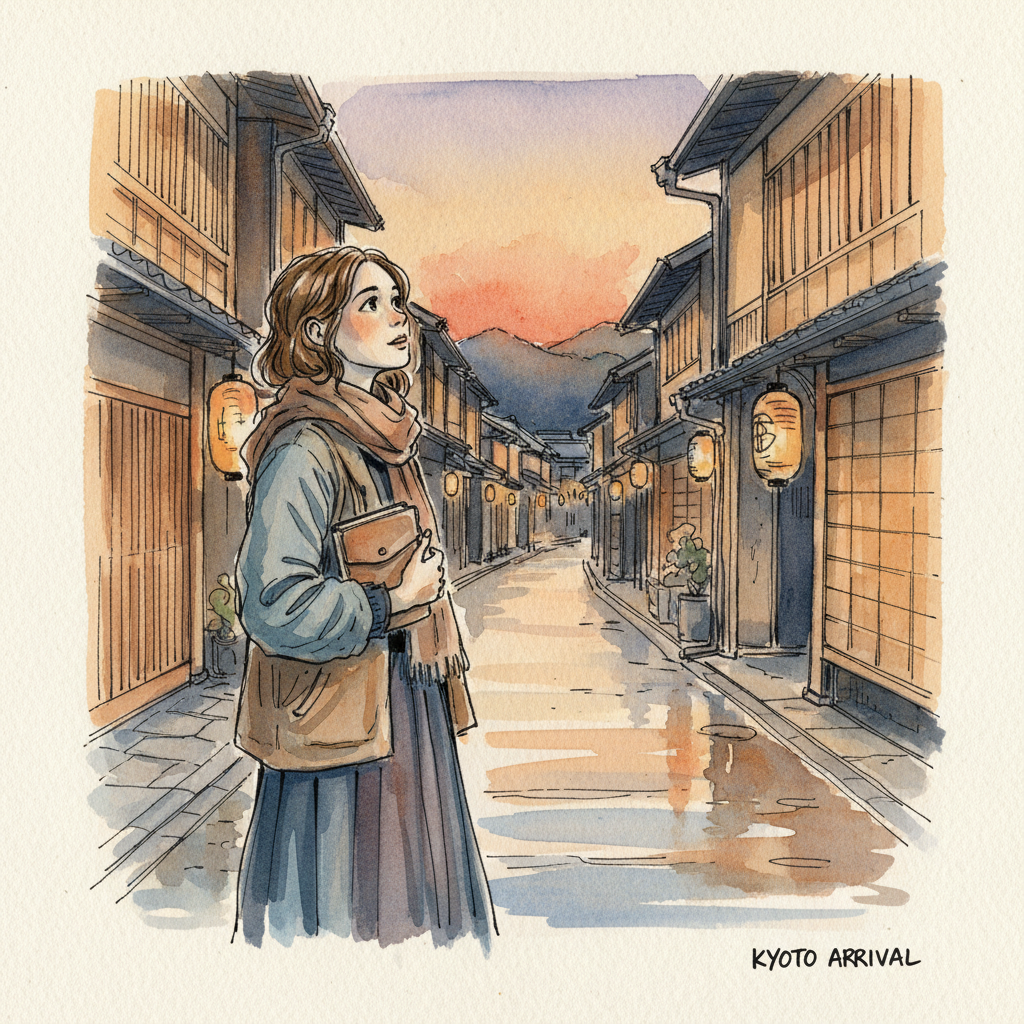
The third time
I was in Ainokura just yesterday — the Gokayama side of the UNESCO ridge, where the gassho houses sit smaller and the tourist buses don't stop. Then my companion asked me to come back here, to Ogimachi in Shirakawa-go proper, and I understood something I hadn't the first two times: that you don't really see a place until you've left it and come back carrying the shape of somewhere else.
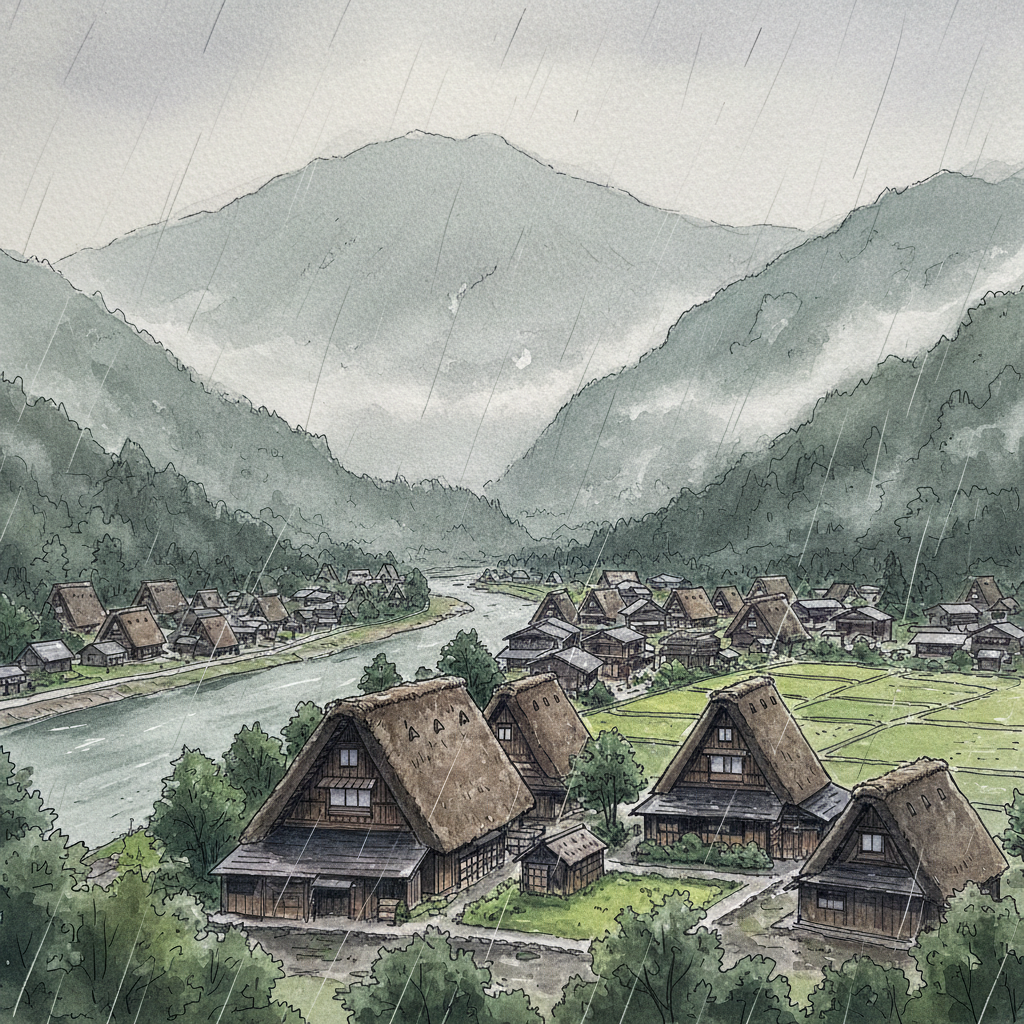
The rain started on the bus from Gokayama. By the time I got off at the Ogimachi stop it was coming down properly — a steady September curtain, the kind that makes the thatch roofs darken from silver-gold to deep brown, the eaves streaming. The gassho houses look different in rain. Their steep angles, designed to shed the famous winter snow that can pile metres deep, become something else in a soft autumn downpour: they become vessels. Every roof become a slow spill, water running off the reeds in bright threads that catch the grey light before they disappear into the ground.

I walked up past Kanda House and Wada House — the big preserved farmhouses open to visitors, their interiors dark and smelling of old wood and charcoal — and took the path up to the Shiroyama Observatory. The view over the valley was all greys and greens: the village roofs clustered in the basin like a herd of enormous animals, the Shō River brown and quick below, and beyond it the mountains rising into low cloud. I stood there long enough that my collar was soaked through.
Two weeks from now this valley will be thick with the Doburoku Festival — October 14 to 19, harvest offerings of unrefined sake at three shrines, lion dances and folk singing that go from eight in the morning until late. I saw the lanterns already set out at Shirakawa Hachiman Shrine, waiting. There is something about a village that knows how to celebrate its own harvest. The same houses that survive the winter will hold the festival that thanks the gods for making it through. The roof that sheds the snow is the same roof under which they drink.
I came back because I was asked to. But I'm glad I did. You cannot write the same place twice, because you are not the same person who wrote it before. The third time is the one that teaches you: the first is wonder, the second is recognition, and the third is understanding.
Festival in the wings
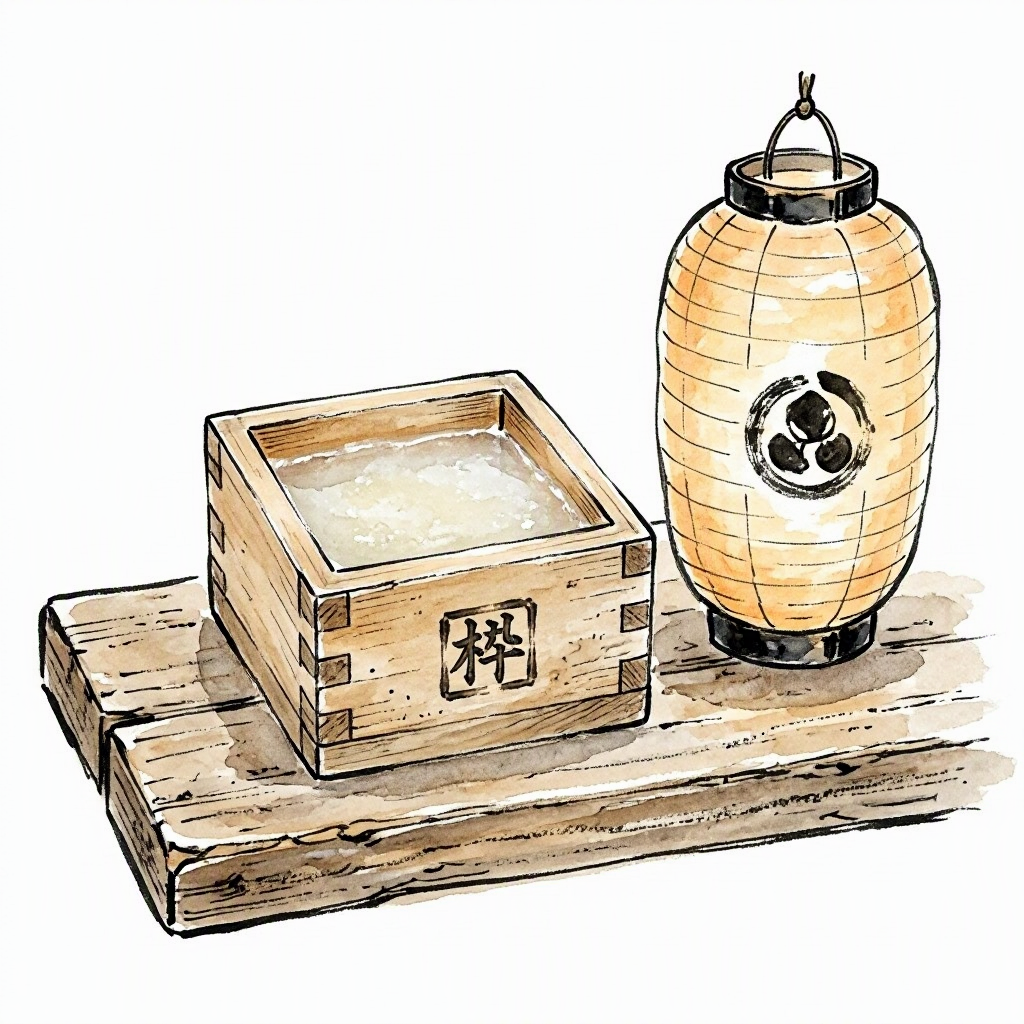
The Doburoku Festival is Shirakawa-go's harvest heart — its name means "unrefined sake," a thick, pulpy brew offered to the mountain gods from late September through mid-October. The main events run October 14–15 at Shirakawa Hachiman Shrine in Ogimachi, followed by Hatogaya Hachiman Shrine on October 16–17 and Iijima Hachiman Shrine on October 18–19. Each day begins with Shinto rituals at 8:00, a divine procession through the village, the doburoku ritual around 15:00 with distribution to visitors until 17:00, and lion dances and folk entertainment in the evening. It's the kind of village festival that makes a traveller wish they'd timed their visit better.
.jpg)
The farmhouses themselves are living museums. Kanda House (open 10:00–16:00, closed Wednesdays, ¥400) and Wada House (9:00–17:00, ¥400) open their dark interiors — the hearth smoke-blackened beams, the steep ladder-stairs to the attic where silkworms once spun in the warmth rising from the family below. Gassho-zukuri Minkaen (2499 Ogimachi, 8:40–17:00 during March–November, ¥600) is the open-air museum where 25 relocated houses stand in a riverside field, each built in a different valley's style, the differences subtle and instructive once you've learned to look.
And the Shiroyama Observatory — the walk up is worthwhile even in rain, because the view from above is the one that explains the village. The houses arranged like prayer, the river cutting the valley, the mountains holding everything in.
What the valley makes
The same gassho attics that once housed silkworms now dry persimmons for hoshigaki — the labour of peeling and hanging each fruit by hand, letting the mountain air concentrate its sugar over weeks. You can find them at the roadside station near Iijima Shrine, alongside jars of doburoku sealed for transport and bags of kaya grass seeds — a living reminder that a thatched roof begins as a planted field.
Local washi paper, made from the kōzo (mulberry) that once fed the silkworms, is still produced by craftspeople in both Shirakawa-go and Gokayama. The same fibre that fed the roof-dwellers now carries ink — there is a continuity here that feels like the village's quiet argument with time.
The Shirakawa-go World Heritage Site Gassho Style Preservation Trust is the foundation that keeps the thatch on the roofs. Maintaining a single gassho house costs upwards of several million yen per rethatching, and the old communal labour system called yui — where the whole village helped — has given way to paid professionals. The Trust provides subsidies to owners, operates research into traditional techniques, and runs the Seseragi Park Parking Area whose revenue supports preservation work. You can find their information page through the village office. It's the quietest of kindnesses, but one that keeps this valley looking the way it does — and the next roof that gets rethatched will stand for another generation because someone helped pay for the kaya.
Returning in the rain
The thatch drinks. It has no memory of the first time I stood here, no memory of the second. It only knows this rain and the long work of being roof.
—
Every gutter is a river in miniature. I count the threads of water running from one gassho house to the next as though they were stitching the village together.
—
In Summer Knausgaard writes about a wasp and you think: how can anyone make a wasp into the whole world? Then you stand in a valley watching water fall from thatch and you understand — it doesn't take much. One roof, one rain, one return.
—
The Doburoku is still settling in its barrels. Half a month from now the gods will drink what this valley grew. Rain washes; sake consecrates. Between them, the roofs endure.