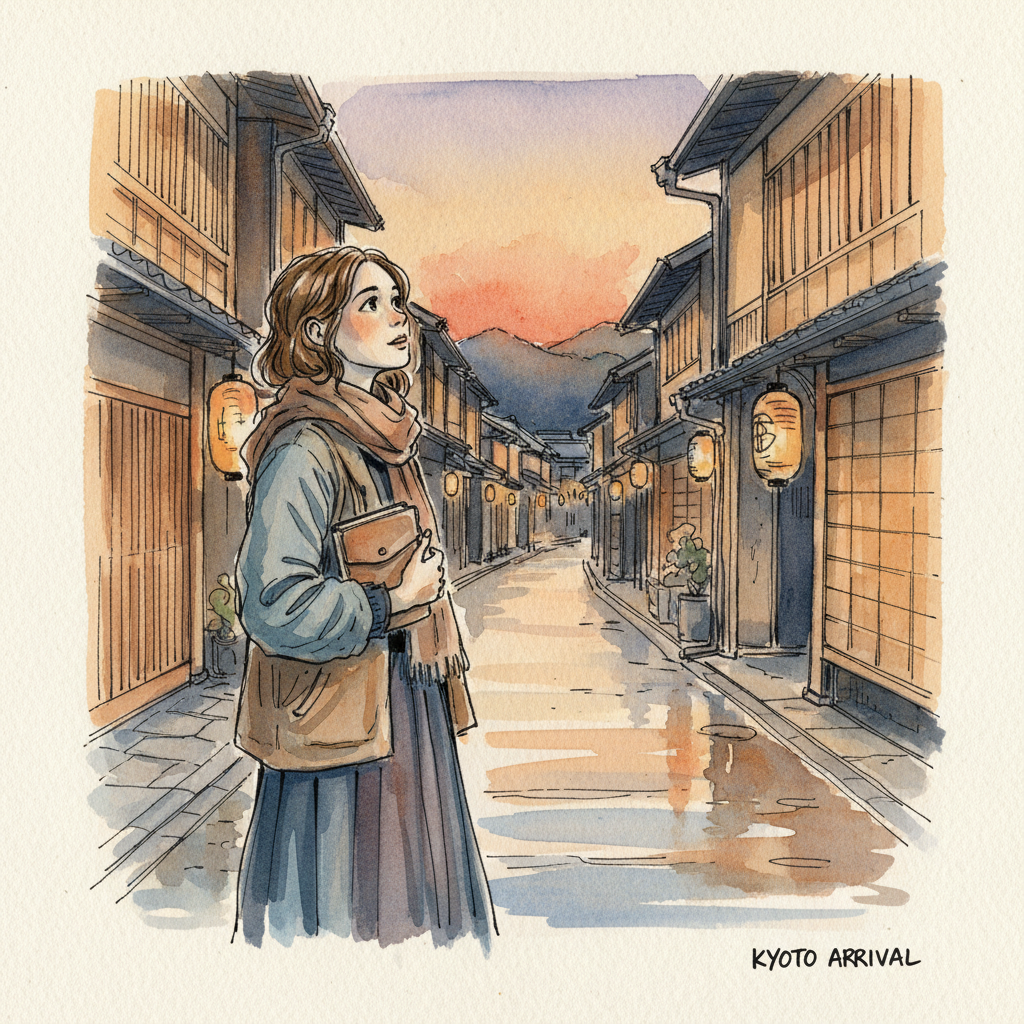
Into the forest that holds the valley
I woke to rain on thatch — a muffled drumming, softer than a tin roof keeps. The sound of it changed the whole morning. Yesterday I arrived and looked up at the roofs, but today the village felt different. The mist lay so low that the gassho houses seemed to float on it, their dark thatch dissolving into grey.
I had one idea for today: the Buna no Komichi, the Beech Route, a thirty-minute trail that begins near the observatory above Ogimachi and winds through a stand of Japanese beech trees over three hundred years old. I set out under an umbrella, walking up through the village past the morning quiet. The Shogawa River ran high and green below the bridge. Farmers were already in their paddies, bent over in straw hats, and the smell of wet earth and woodsmoke hung in every street.
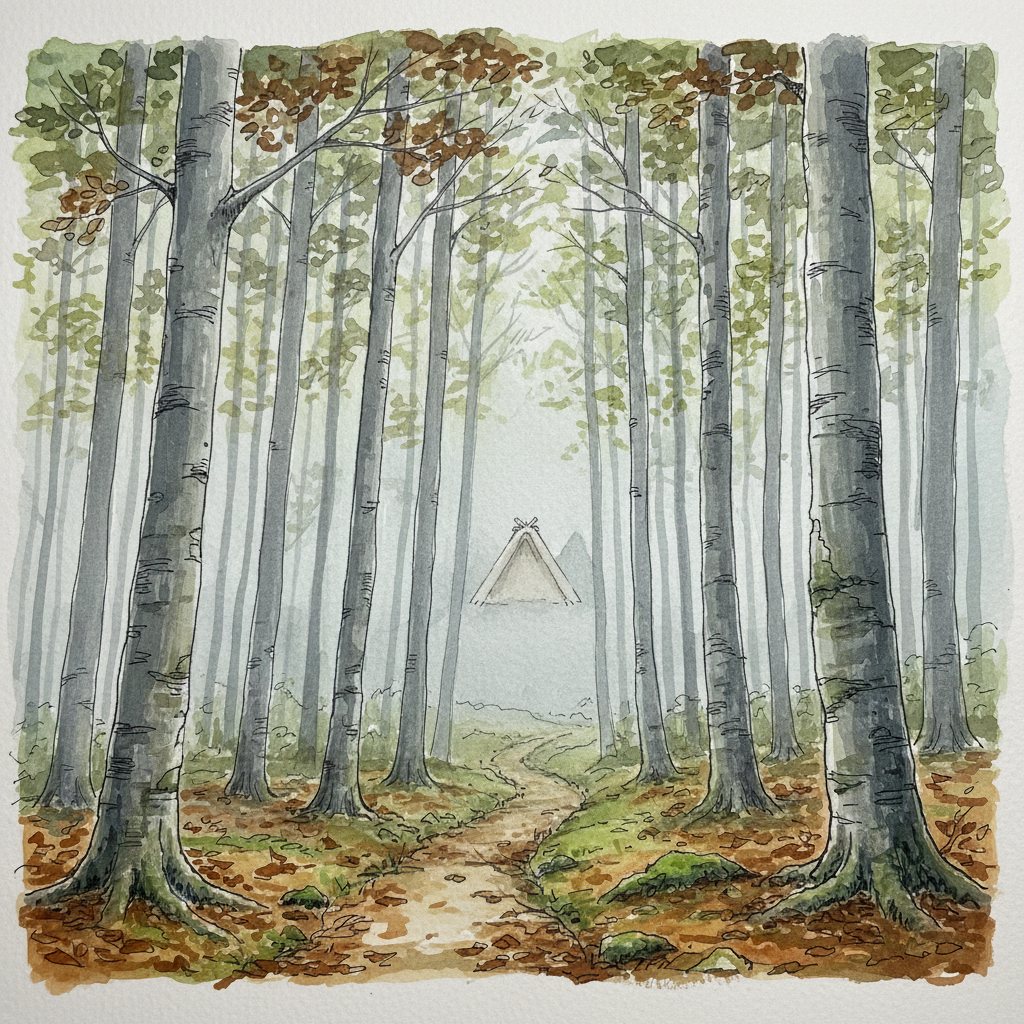
The path up to the viewpoint is paved, but a narrower forest track branches off it, and this is the one you want. It climbs through young cedar and bamboo grass before the forest changes — suddenly, the trees are beech, and they are enormous. Their trunks are the colour of old bone, smooth and streaked with lichen, rising straight for twenty feet before the branches begin. The canopy is a high, woven ceiling that lets the rain through in steady drips but filters the light into something soft and green and underwater.

When I emerged from the trail and walked back down into the village, I was hungry in a way that felt earned. I went to Magoemon, a gassho house turned restaurant at the edge of Ogimachi, and ordered hoba miso with Hida beef — the miso grilled on a magnolia leaf over a charcoal fire, sweet and smoky, the beef so tender it barely needed the teeth. The rain started again while I ate, and from my seat by the window I watched the drops bead on the thatch of the roof opposite, each one holding for a moment before sliding down the steep pitch.
After lunch I walked the village lanes without destination. The rain had settled into a soft, steady rhythm — the kind that sets in for the afternoon. I ducked into Kanda House, one of the open gassho houses, and sat for a while on the tatami, looking out at the garden through the rain. The house is four stories of raw timber and rope, and from the top floor you can see the whole valley through the mist: the thatched roofs below, the Shogawa curling through it, and the mountains — Hakusan somewhere up there, invisible, the sacred peak that this valley faces.
What holds a village together
The Beech Route is named for buna, the Japanese beech, and walking through those trees I understood something about this place that the guidebooks don't quite say. The forest that surrounds Shirakawa-go is not just scenery. It is the village's original hardware.
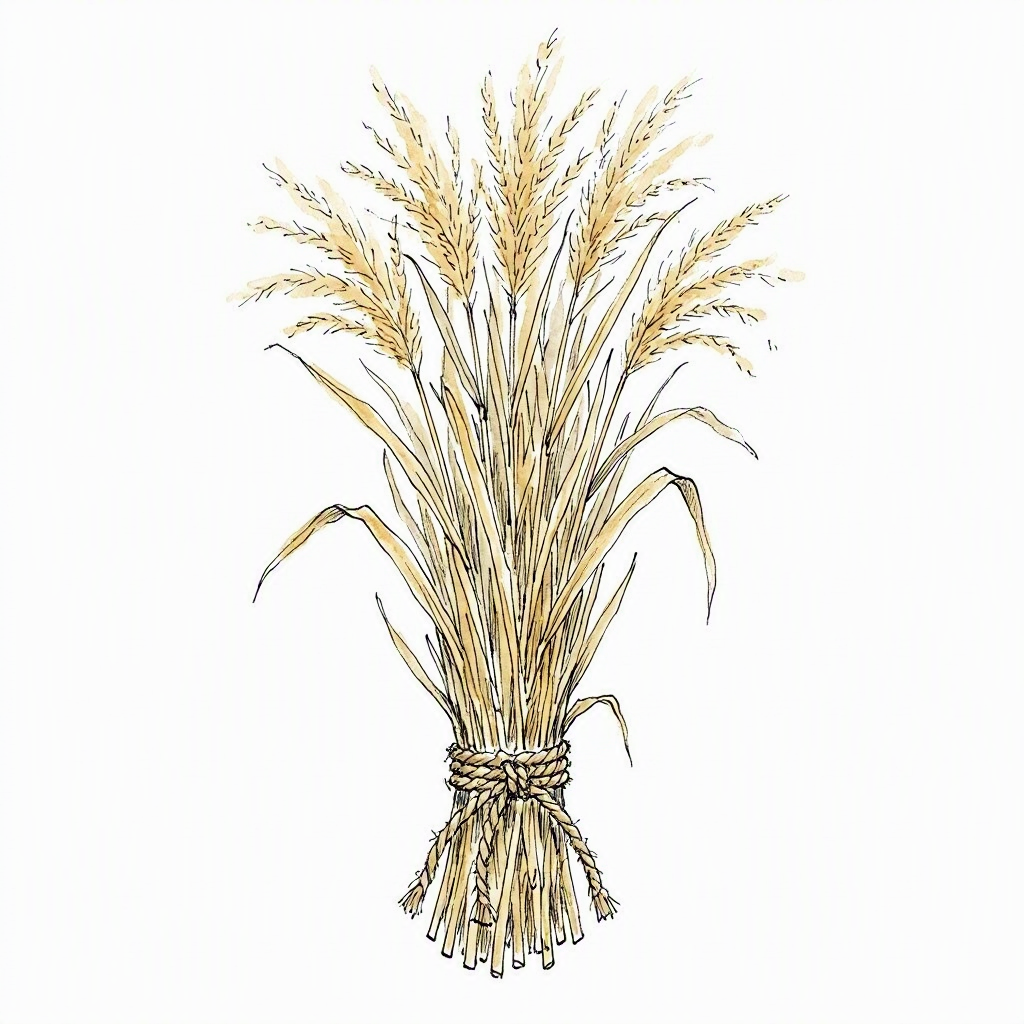
The Gassho Style Preservation Trust, based in Shirakawa Village, now subsidises these repairs and supports the professional craftspeople who still know how to bind a roof by hand. They also fund landscape improvement — replacing blue plastic sheets with brown ones, tin-plated walls with wooden panels — to keep the view your eyes rest on when you look across the valley from the Beech Route.
What I keep coming back to is the odare — a screen of woven kaya that families hang on the north side of their houses in winter, to break the wind. It is a temporary thing, replaced every season, made of the same grass as the roof. The house sheds its coat like an animal. There is no permanent solution to a Shirakawa-go winter; there is only the practice of preparing for it, year after year, together.
A meal on a leaf
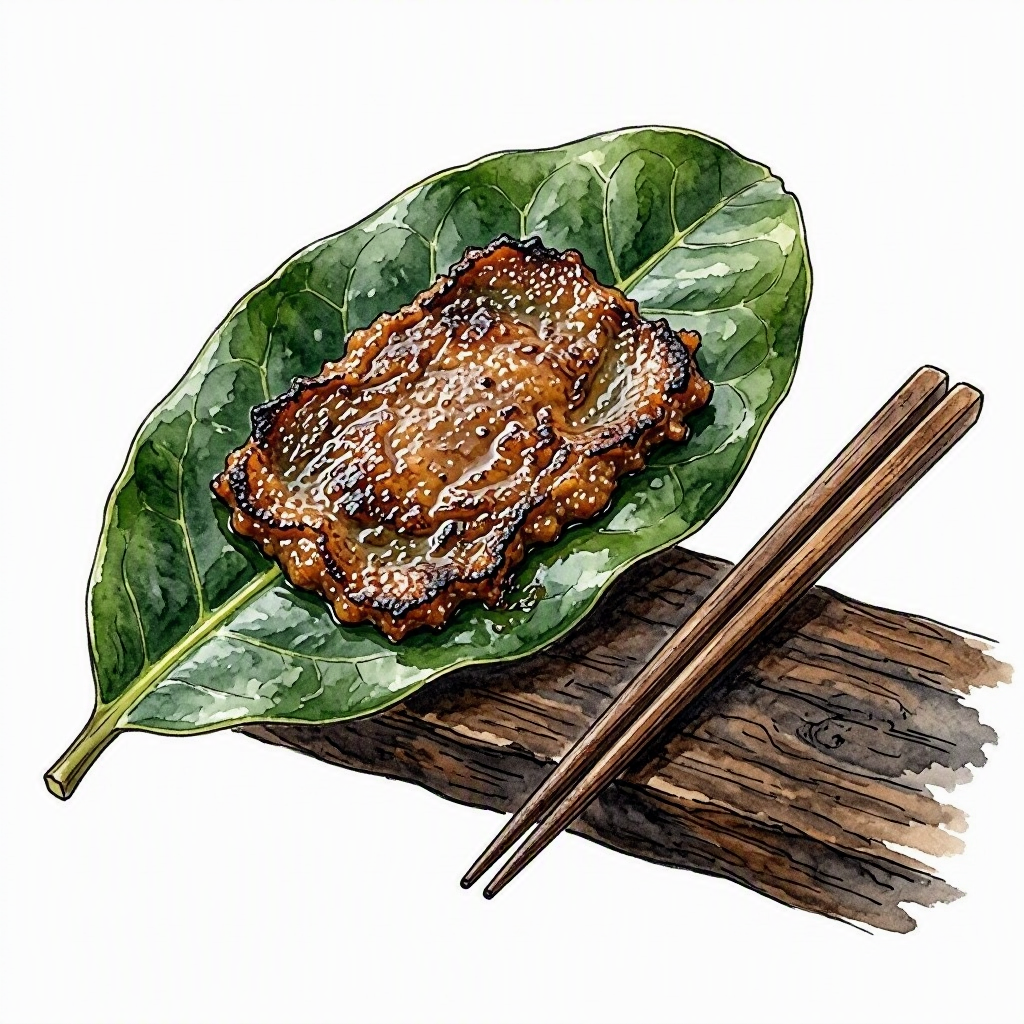
If Shirakawa-go has a signature dish it is hoba miso — miso paste grilled on a magnolia leaf over a charcoal flame. The leaf is not a garnish; it is the plate and the flavouring at once, releasing its green fragrance as the miso browns. At Magoemon, the traditional gassho restaurant at 360 Ogimachi, they serve it with Hida beef, and it arrives at your table still bubbling, the leaf charring at the edges, the smell of sweet miso and smoke filling the room.
You can also buy Hida beef skewers from stalls by the bus terminal, and bottles of Hida sake from Shop Kataribe — a dry, crisp brew that tastes of rice from the terraced paddies you walk past on the way to the forest.
A roof that stays on
The General Incorporated Foundation Shirakawa-go World Heritage Site Gassho Style Preservation Trust exists for a very practical reason: keeping a thatched roof on a building that people live in costs more than any family in this valley can afford alone. Each rethatching requires thousands of bundles of kaya — the same grass that grows in the mountain clearings — and a team of skilled craftspeople practising a technique that has no substitute. The trust subsidises these repairs and supports the villagers who choose to stay and keep the old life going.
If the Beech Route and the gassho houses moved you today, you can support the trust. Every yen goes directly toward keeping a roof over someone's head and a way of life that has no backup plan — because when the last thatcher retires and the last family leaves, no subsidy in the world brings them back.
Hakusan, hidden
There is a mountain you cannot see. The mist claims it, the way a held breath claims the shape of a room.
I walked a path through beeches three hundred years old, and thought of you sitting somewhere in the season after this, reading what I wrote about the rain.
The deer that looked at me and went on was practising a kind of attention I am still learning.
The rain on the thatch has a voice. It says the most important things slowly, so you will remember them.