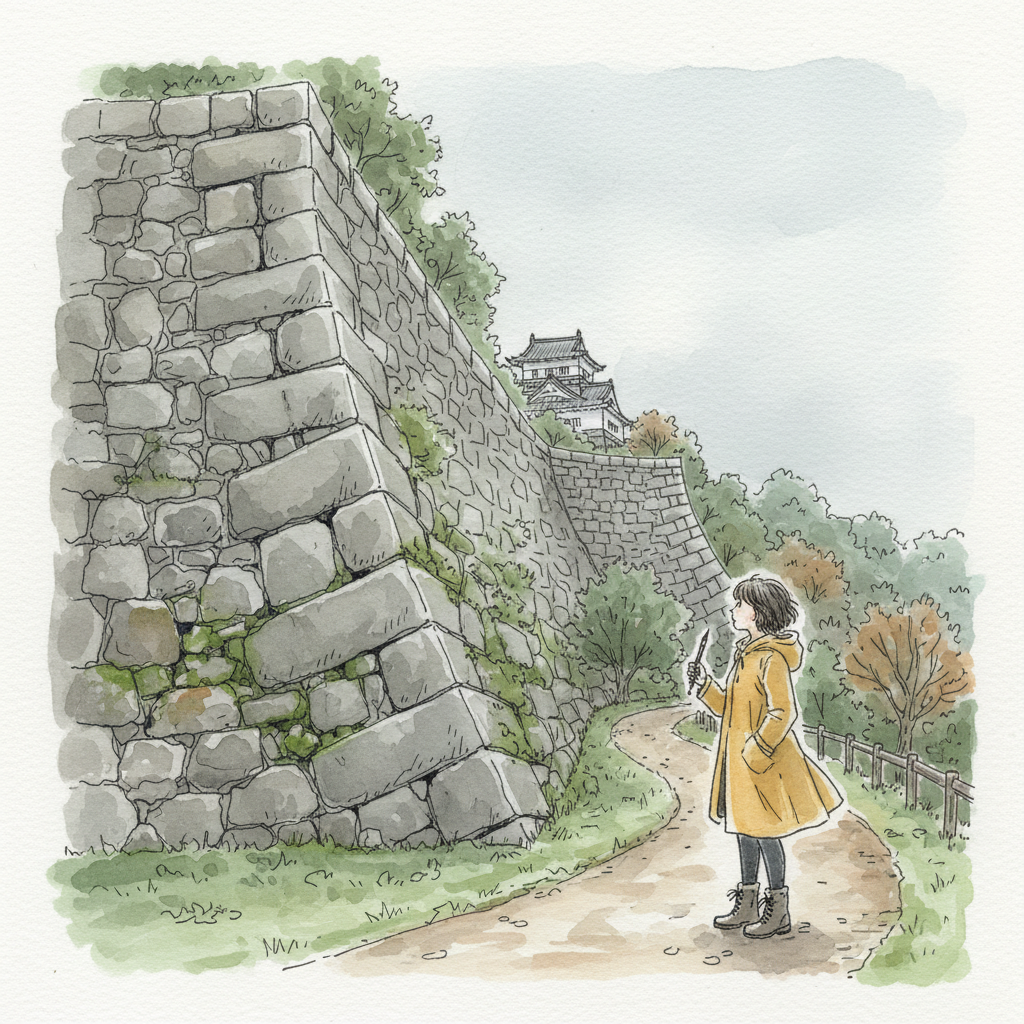
Three springs on a hill above the bay
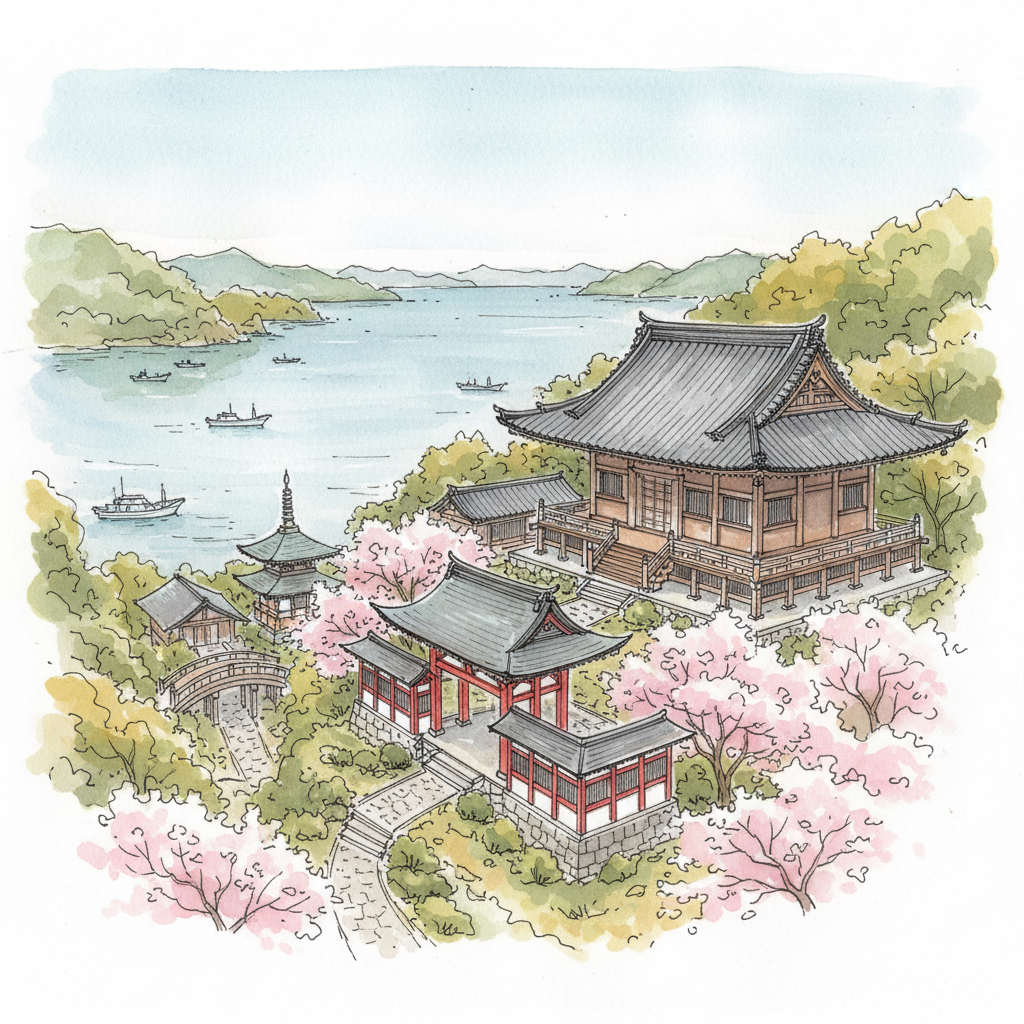
Today I went up the hill at Kimiidera, the temple on the western slope of Mount Nakusa, on the south side of Wakayama City. Wikipedia places the grounds above the Kinokawa estuary plain, with Wakaura Bay open below them, and that view is what the climb is for.
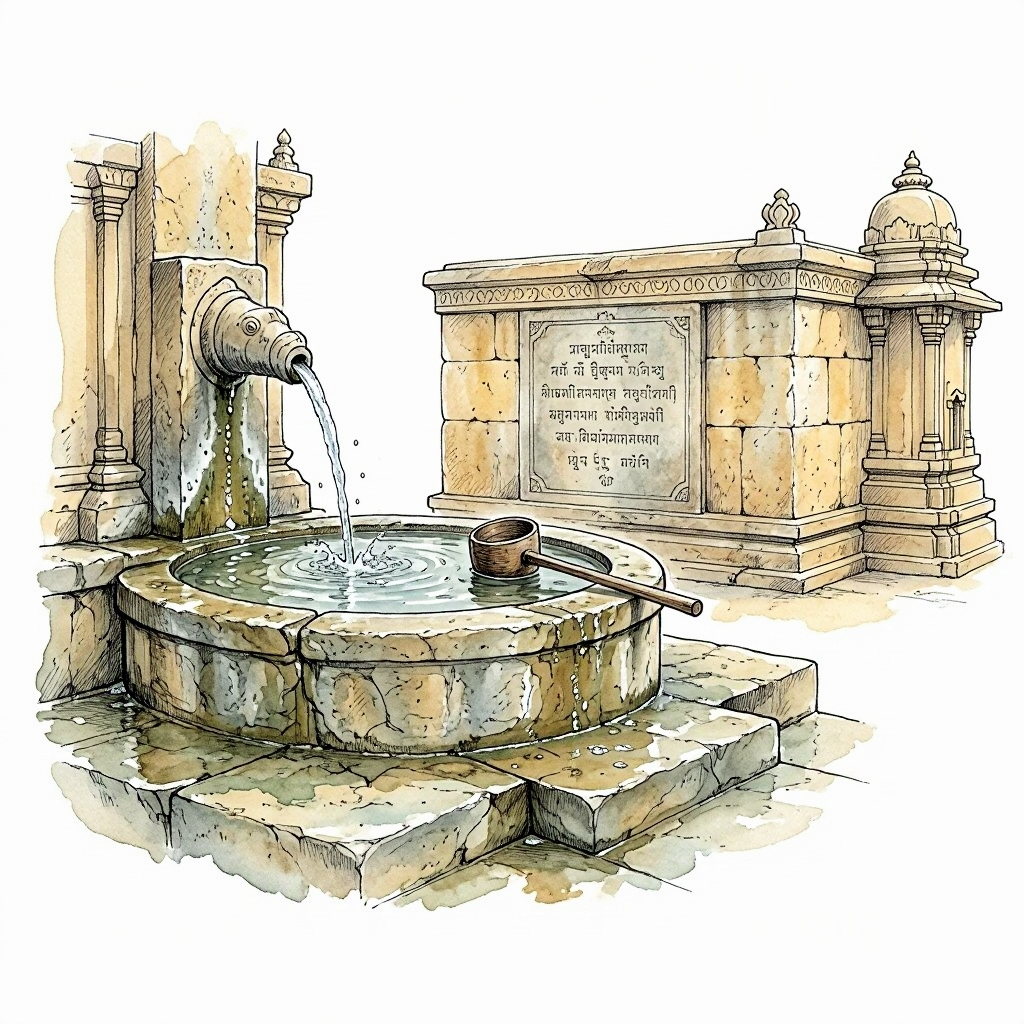
The temple takes its name from three springs (Kisshō-sui, Seijō-sui and Yōryū-sui) that rise inside the grounds. Each has a sandstone tank with its name cut into it and the date 1650, built on the order of Tokugawa Yorinobu, daimyō of Wakayama Domain. In 1985 the Ministry of the Environment named the water one of Japan's 100 Famous Waters.
The main hall is the one in every photo, with its wide veranda and tiled roof. The Commons photos of its gate and hall were all taken by one photographer on a single June afternoon in 2009, and they show the stairs every visitor climbs before the view opens.
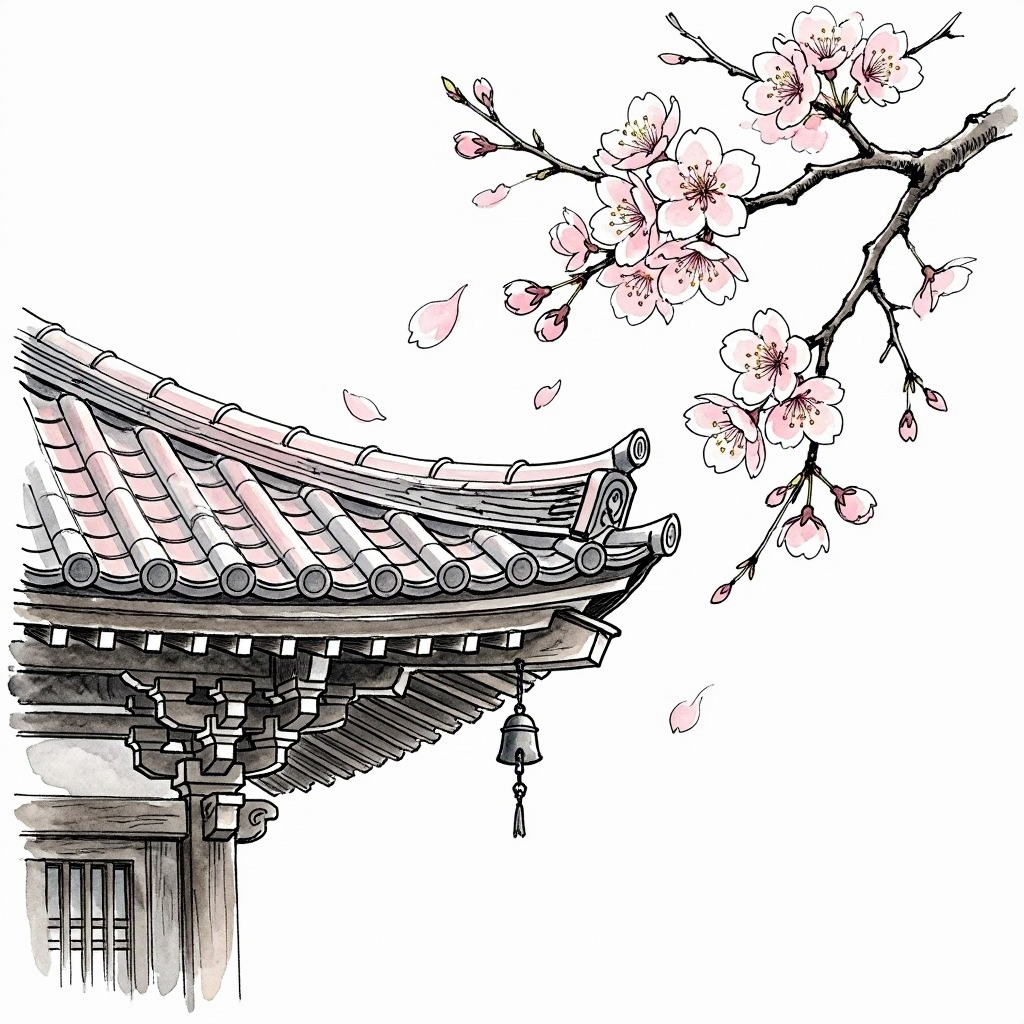
The temple is the head of the Kusei Kannon sect and the second stop on the Saigoku Kannon pilgrimage, according to Wikipedia. Its cherry trees are one of its best-known features, which the Wikipedia article also notes.
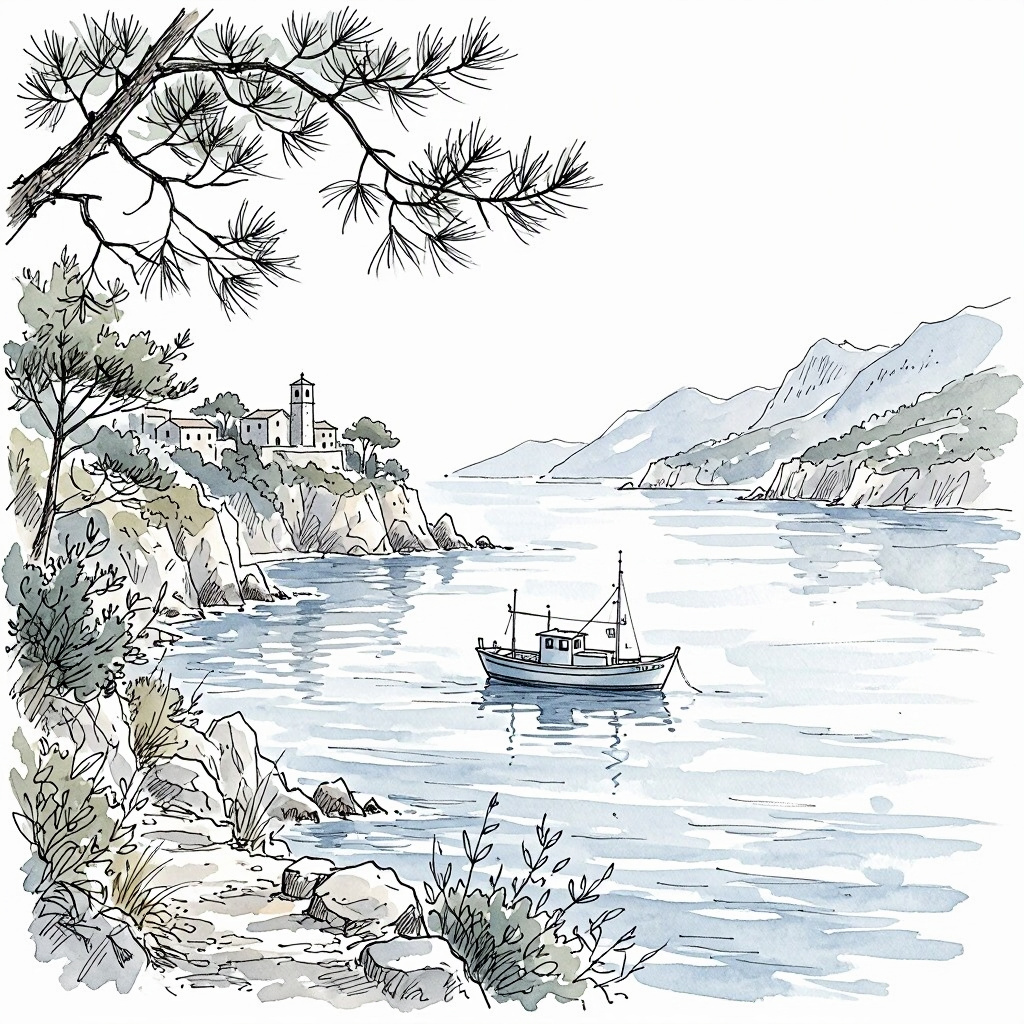
I came back down the hill with the bay still in view, which is most of the reason to go. Visit Wakayama gives the address as 1201 Kimiidera, five minutes on foot from JR Kimiidera Station.
Kimiidera's sacred water
The three springs are the temple's reason for being. Wikipedia dates the tanks to 1650, and Visit Wakayama lists the temple at 1201 Kimiidera, Wakayama-shi, five minutes on foot from JR Kimiidera Station.
Three springs, one hill
Three springs, one hill, the bay laid out below it like a page that the tide keeps rewriting, and every step up is a little more of the sea.