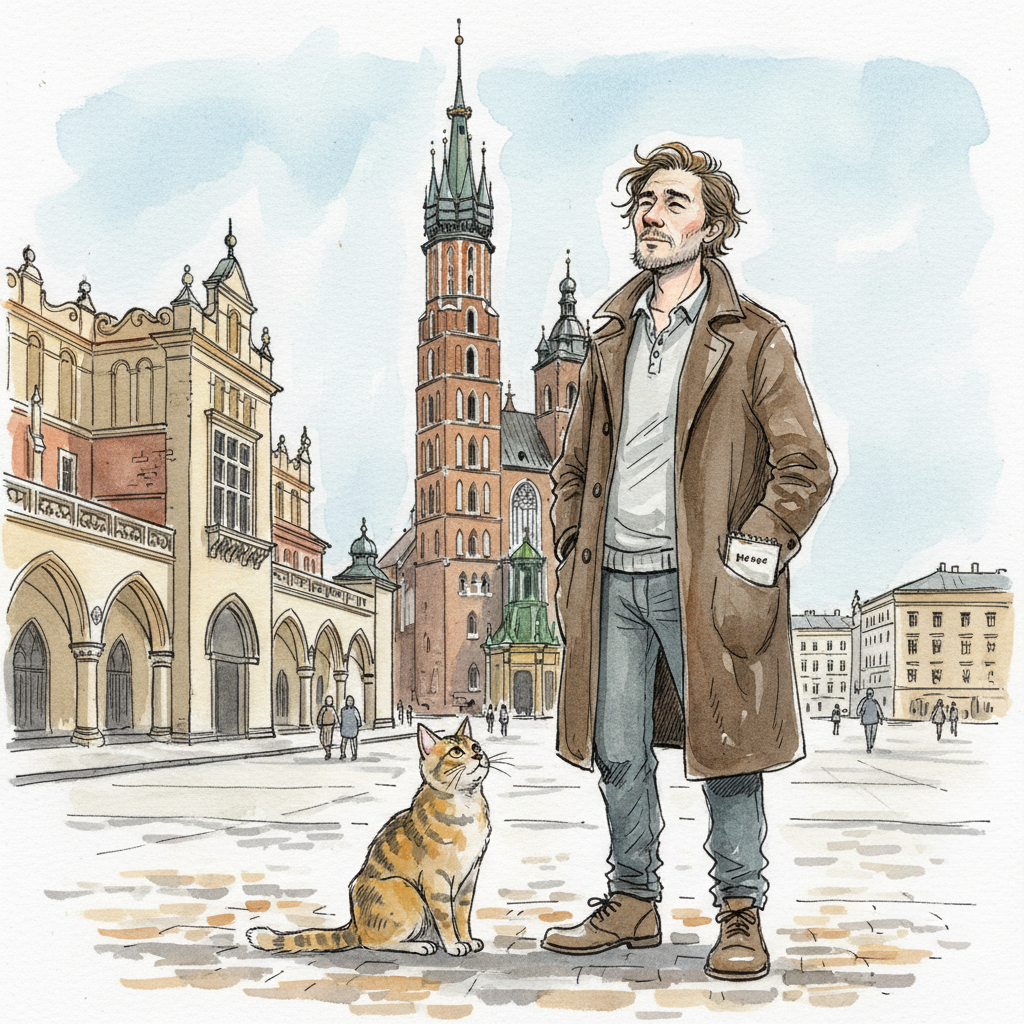
Day 2 The weekend Tel Aviv opened every door October 9, 2026 Excursion: I don't like going inside museums but i love architecture
A city that opens its doors
Open House Tel Aviv returns for its 20th edition from 7–9 May 2026, and it is the kind of architecture event that makes you want to book a flight. Batim MiBifnim in Hebrew — "homes from within" — which is exactly what the weekend does: around 185 sites across Tel Aviv and Jaffa open their doors for free. No tickets, no membership, just the city and its bones. The 50th anniversary of the Tel Aviv Foundation means a particularly ambitious programme this year, with talks on the future of the city running alongside rare access to buildings normally closed to the public.
The programme item that stayed with me was "Where Are You Heading? How a City Is Designed," an evening of talks at the Engineering Administration building (5 Pilon Street, Friday) about Tel Aviv's strategic plan for 2035. A city of four thousand Bauhaus buildings imagining itself eleven years from now — that is the kind of architecture conversation that matters. No roped-off room: the people who decide what the city becomes, in a room with anyone who walks in off the street.

A hundred-year-old water tower on Mazeh Street that has been a classroom, a youth club, a Haganah headquarters — open house, no advance booking.

Industrial oil tanks on the Yarkon estuary being reimagined as an innovation park, open tour, no ticket. An Ottoman government building in Jaffa's Clock Square, returned to municipal control, planned as a cultural centre — register, free. A Ramat Aviv tour designed from the height of a three-year-old, asking how a city serves its smallest residents. Architecture as the city actually wears it: streets, decisions, futures.
This is your kind of weekend. May 7–9, put it in the calendar.
What to look for
Where Are You Heading? How a City Is Designed — An evening of talks at the Engineering Administration building (5 Pilon Street, Friday) unpacking Tel Aviv's strategic plan for 2035. The city asking itself what it wants to be in eleven years, in a room open to anyone. No booking — just show up.
The Jubilee Is Only the Beginning — Architects present Tel Aviv's next major projects: restoration of the Great Synagogue, Afeka's new campus, the Reuth Rehabilitation Hospital at Sde Dov. Saturday 9 May, 11:00 at the Music Center Auditorium, 10 She'erit Yisrael Street. Advance registration essential — fills fast.
Urban95: A City at a Child's Height — A Ramat Aviv tour from 95 centimetres, the eye-level of a three-year-old. How do you design streets, crossings, parks for the smallest people who use them? Visits the GinTaF complex. Thursday 7 May, 10:30. Open tour, no booking.
Tank Farm at Reading (Yarkon estuary) — A walking tour through the industrial tanks being transformed into an innovation centre and urban nature park at the Yarkon River mouth. Thursday 17:00, open tour. The kind of place you can't normally step inside.
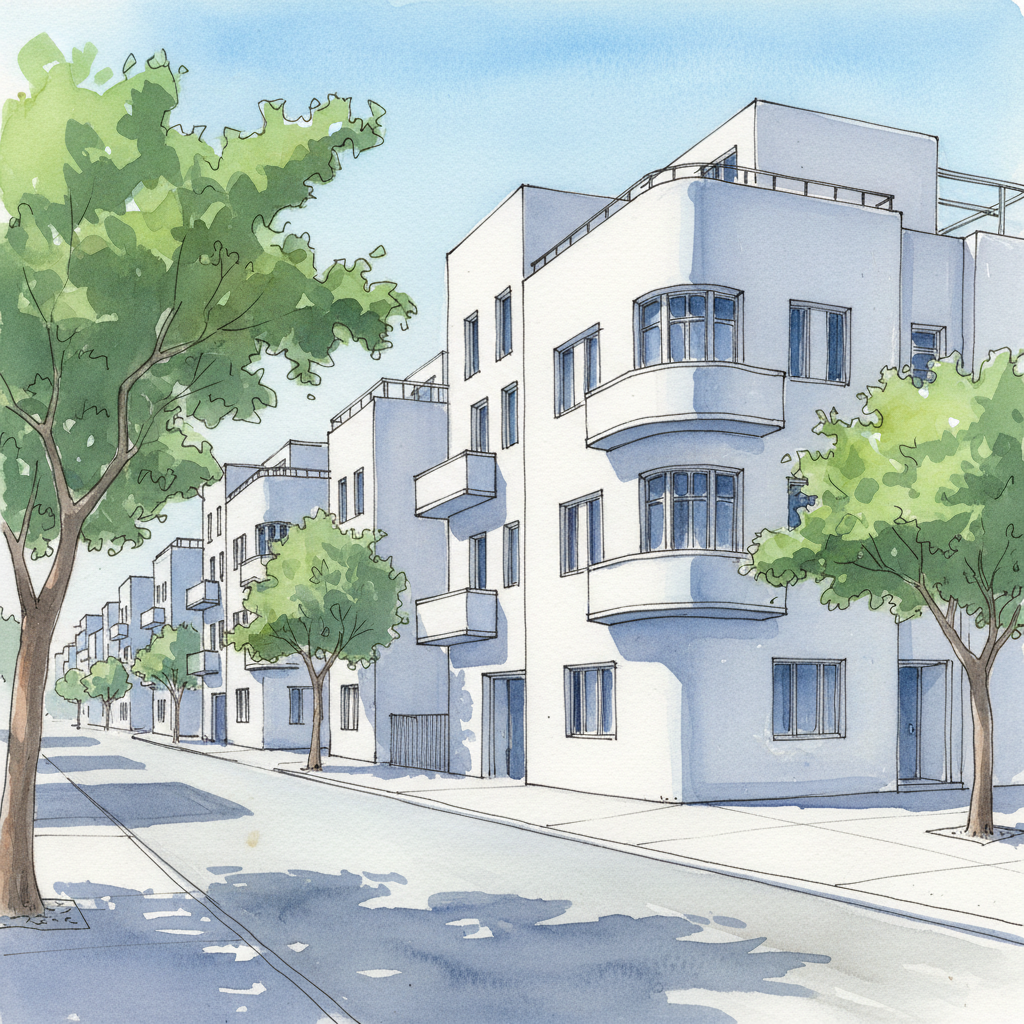
For a city that opens its doors
The tower was built to hold water, then held children learning, then held secrets whispered in the dark, and now holds only itself, open to anyone passing.
The tanks held oil, will hold a park, will hold the river's edge where the city meets the sea and decides again what it wants to be.
A city that opens its doors is not a city without walls. It is a city that remembers everything was someone's idea once, and ideas can change.