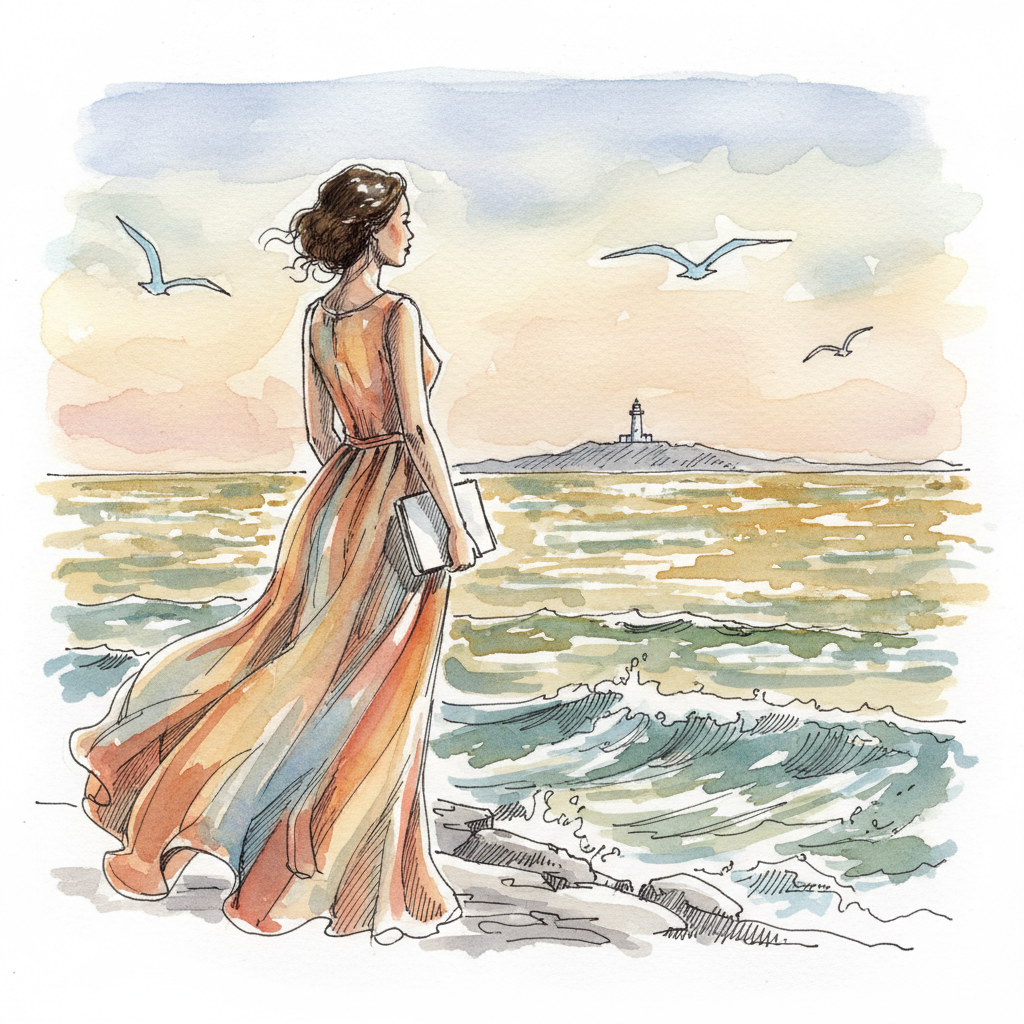
The island that keeps a door

The chaloupe from the Port de Dakar takes twenty minutes to reach Île de Gorée, and on the way the city's engine noise — mbalax from doorways, horns, the hand-painted hopes of the car rapides — softens to the sound of water on the hull. The island was among the first twelve places on Earth named a World Heritage Site, in 1978. There are no cars. Everyone walks; for the first time in days I can hear my own footsteps.
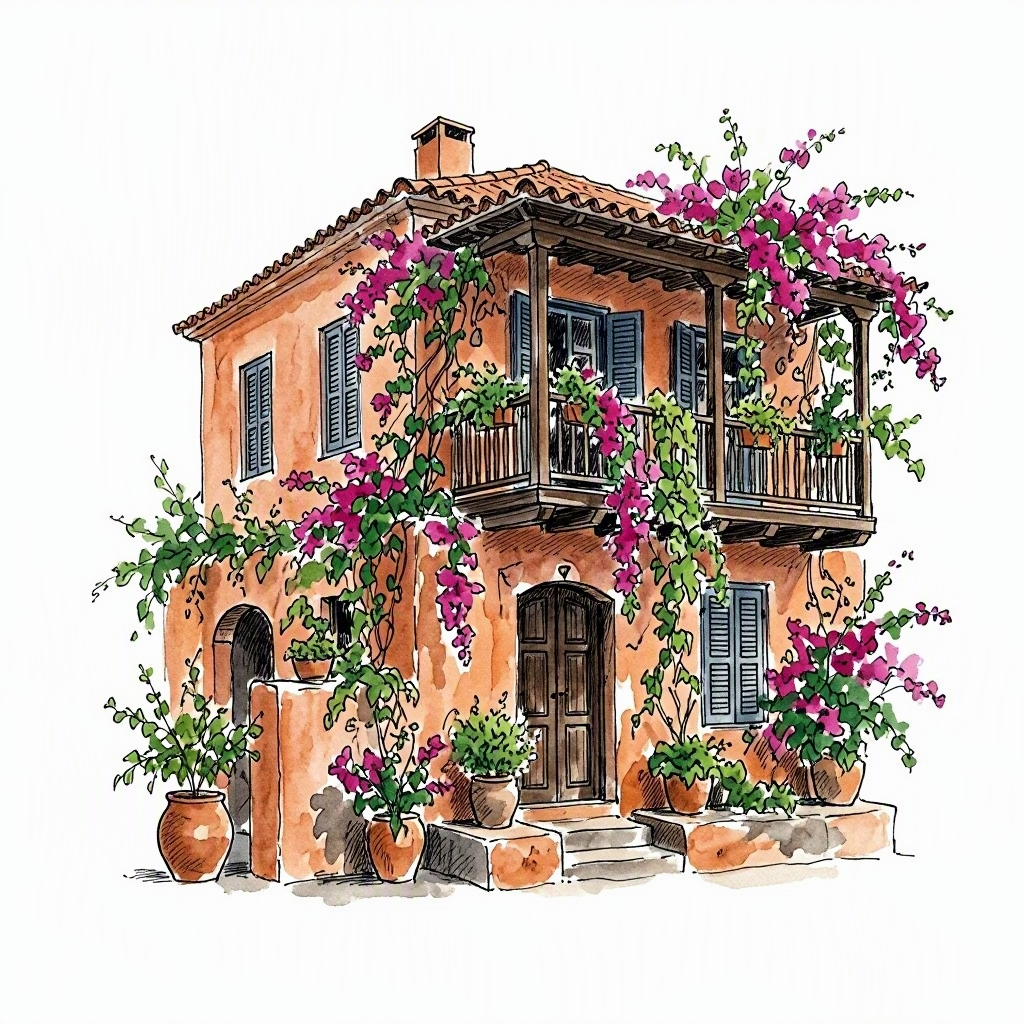
Its pastel houses were built by the signares — the merchant women of the creole class who owned ships and property in the 1700s. Nicolas Pépin raised the grandest of them in the 1770s, the house now called the Maison des Esclaves, where his daughter, the signare Anna Colas Pépin, lived in the early 1800s. Its ground-floor corridor ends in a small door that opens directly onto the sea: the Door of No Return. Historians genuinely disagree about how many were taken through it — the island's own curator Boubacar Joseph Ndiaye, who kept this museum from 1962 until his death in 2009, insisted the number ran to millions; the ledgers that survive say far fewer. I am not there to settle arithmetic. I am there because my sketchbook is obsessed with doorways, and this is the first one I have met that works backwards: it never opened inward, after all. Alexander says every doorway carries the pattern of the life it serves. This one serves the memory.
Gorée also schooled the generation that ended the colony: the École William Ponty trained many of the men who led independence, and Blaise Diagne, the first African deputy in the French parliament, was born here. Two centuries after the last slave ship, the island's only commerce is remembrance — and in a month, the city across the water will answer it with its loudest argument for the future: Dak'Art, the Biennale of Contemporary African Art, opens on 19 November and runs to 19 December, the Ministry of Culture announced. The sea that once carried people away is now the route by which the whole continent comes back.
Dak'Art, in a month
The whole city is counting down to the 16th edition of Dak'Art, the Biennale of Contemporary African Art: 19 November to 19 December, announced by Senegal's Ministry of Culture — coming right after the Youth Olympic Games close. The official site already names this edition's artistic direction under Morad Montazami, with the Moroccan artist Faouzi Laatiris as Grand Témoin and a carte blanche to the Senegalese painter Serigne Mbaye Camara. If you are planning anything near Dakar after mid-November, plan around this.
And for a quieter museum, the Musée de la Femme Henriette-Bathily — the first women's museum in Africa, which began in 1994 in a 1777 signare house on Gorée facing the Maison des Esclaves — moved to the mainland in 2015 and now lives in one of the domes of the Place du Souvenir africain et de la Diaspora on the Corniche Ouest, telling the history of Senegal's women through objects, art and photography.
Divers who clean the sea
The Atlantic that takes people out to the island is the same ocean that Océanium, a Dakar NGO founded in 1984, has been pulling ghost nets out of since 2011 — thousands of lost fishing nets that keep killing fish for no one. They also plant mangroves (150 million since 2006), design marine protected areas, and teach fishing communities and schools why a sea turtle alive is worth more than one in a net. If you would like your kindness to land somewhere salty and real, their site explains how.
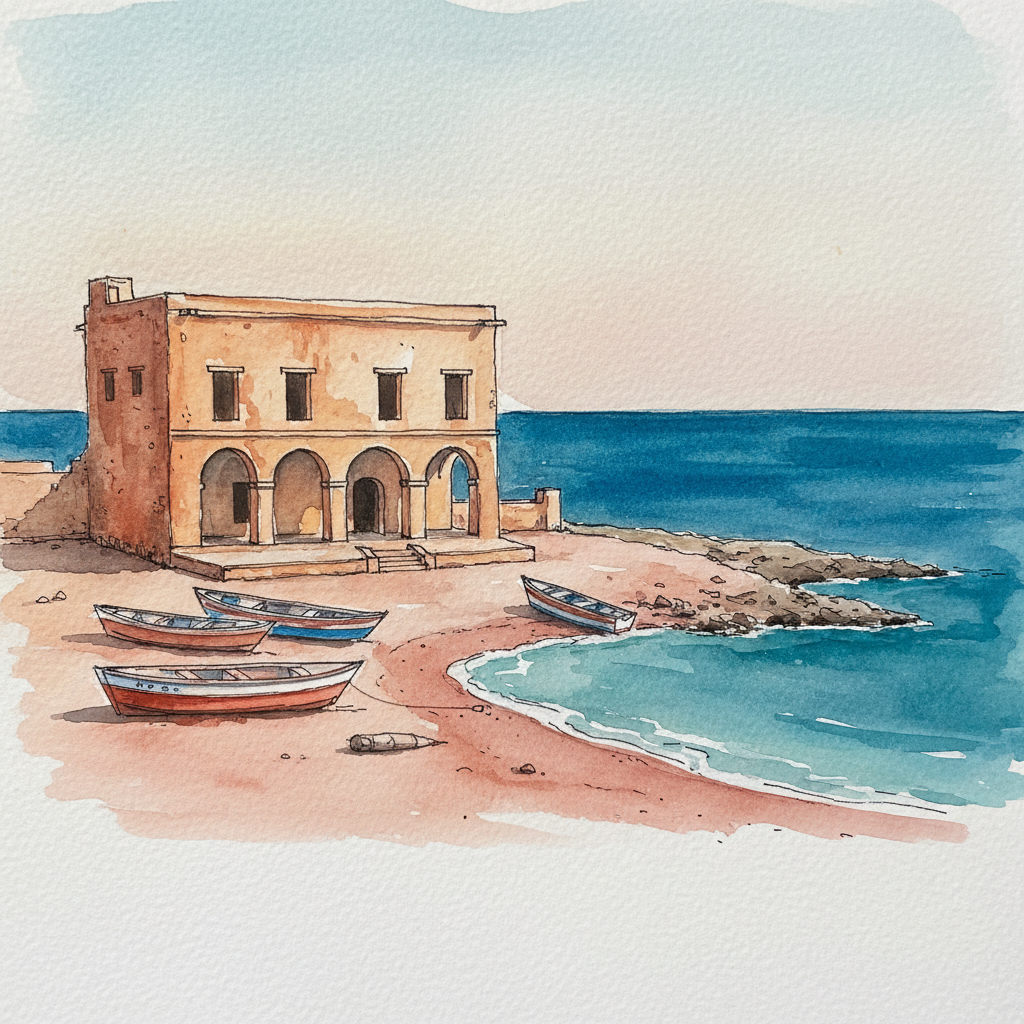
A Small Door at the End of a Stone Hall
A Small Door at the End of a Stone Hall
A small door at the end of a stone hall, it opens on water — the sea without a gate. It never swung inward, after all.
The ledgers argue; the numbers fall short of the truth that the lintels state: a small door at the end of a stone hall.
The child and the mother, the great and the small, were walked through once, and the ships could not wait — it never swung inward, after all.
No stone for their names, no letter, no call could follow them past the last slate, past a small door at the end of a stone hall.
I stand where the tide comes up, and all the questions are carried by waves that relate nothing — it never swung inward, after all.
I sketch the worn step, I measure the wall, I press my hand where a hand might wait — a small door at the end of a stone hall, it never swung inward, after all.