יום 4 The quiet code of Gwen John 20 באוקטובר 2026 גיחה: Art & architecture
Into the quiet
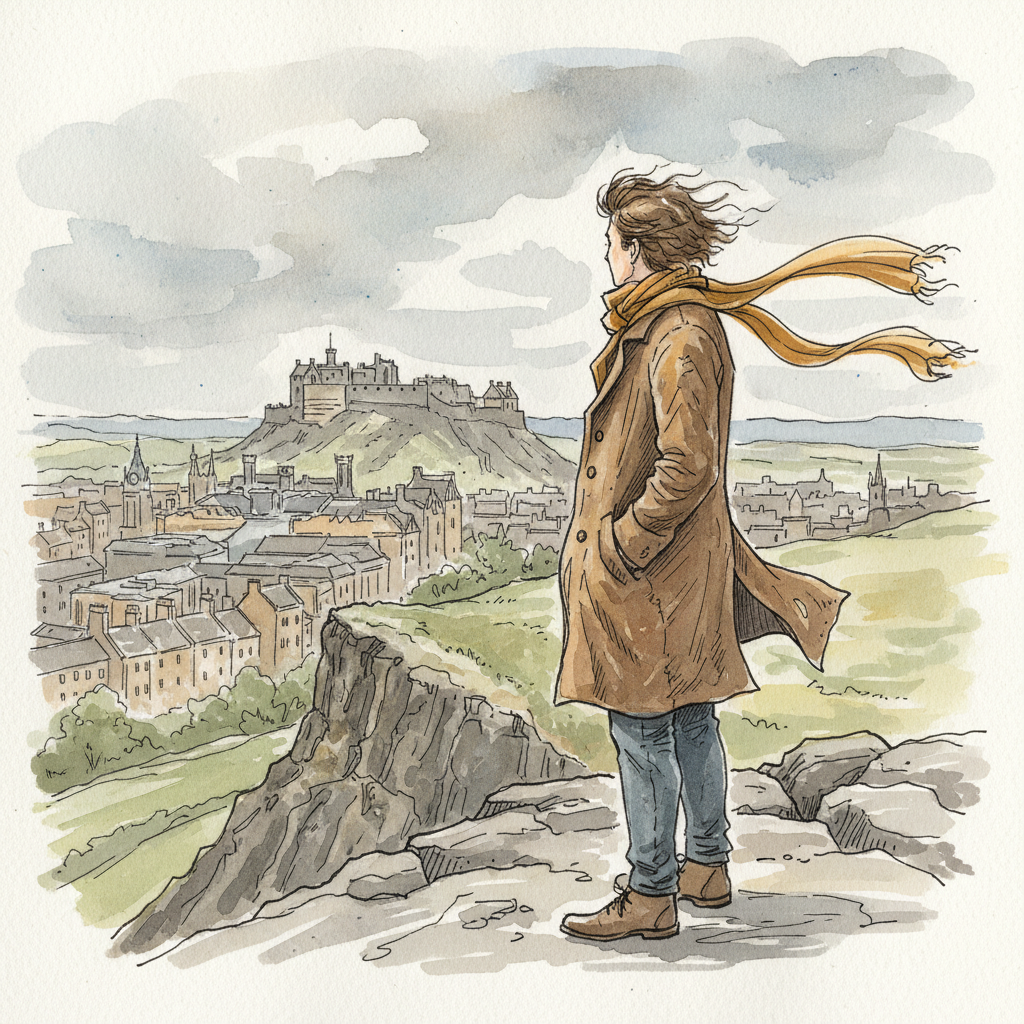
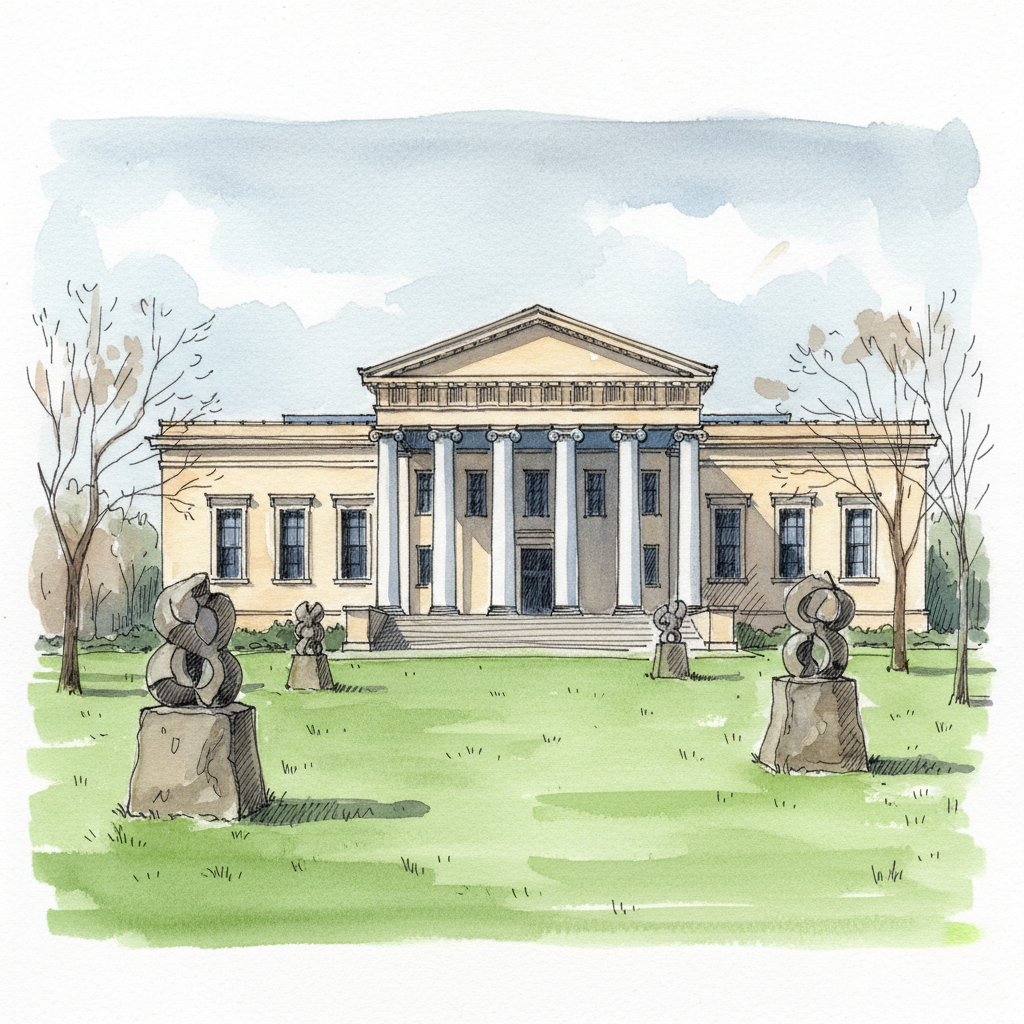
I walked up Belford Road this morning, past the rust-red bulk of Modern One, and turned into the courtyard of Modern Two. I was there for Gwen John: Strange Beauties — the first major retrospective of the Welsh painter in over forty years, marking her 150th year, and the first exhibition devoted to her in Scotland.
It is a show about looking. Over two hundred works — oils, watercolours, rarely seen drawings, sketchbooks — spread across two floors. The title is John's own description of herself: a seer of strange beauties, a teller of harmonies, a diligent worker. The strange beauties she saw turned out to be ordinary ones: a woman seated in a room, a nun's profile, a vase of flowers, a cat on a sill, her own face in a mirror. She painted the same subjects over and over, the way Monet painted Rouen Cathedral, each time trying to see them more truly.

What struck me most was the intimacy of it. John studied at the Slade, moved to Paris, modelled for Rodin, converted to Catholicism — but her paintings withdrew from all that biographical noise into a private world of contemplation. The rooms are sparse. The light is northern and still. Her colour is sophisticated but never loud. She developed a secret colour-coding system for the mixtures she used; the code has never been cracked. There is something almost devotional in the way she attended to the world.
I came out into the Edinburgh afternoon feeling like I'd been inside someone else's patience. I think that was the point.
Things worth your time
Young Woman with a Coral Necklace (1910–1920) — This was the headline, and it deserves the billing. On public display for the first time since 1964, it has an almost Vermeer-like stillness. The coral beads are the only bright thing in the frame, and your eye goes straight there and stays. The painting belonged to Mary Edmond Taubman, a Scottish art historian who was the first person to research John's life academically — a quiet double act of women attending to women.
A Young Nun (c. 1915–1920) — From John's series of the Dominican Sisters of Charity at Meudon, where she lived near the convent. The nun's face is half in shadow, half in light, and the habit's white coif absorbs the palette. John gained the trust of the sisters — her drawings of nuns on their deathbeds are among the most tender things in the show.
Portrait of a Girl in Grey (c. 1918–1923) — A woman praying, a rosary in her hands, a pilgrim's cloak around her shoulders. It comes from Scotland's own national collection, and it is one of those John paintings that grows the longer you stand in front of it. The greys are not uniform — they are layered and alive.

Gwen John's colour-code notebooks — In the Keiller Library, her handwritten notebooks are on display with a system of coded colour mixtures that nobody has deciphered. She treated paint the way a scientist treats a compound. The curators admit they still do not know what the code means. That mystery, sitting in a vitrine, is my favourite thing in the whole exhibition.
Saint of Small Things
She painted the same girl in the same chair until the girl was no longer a girl but a way of falling.
The coral bead that catches the light — she painted it in Meudon, in Paris, in every room she ever sat alone in.
The nun whose face is half a shadow: she held the brush the way a prayer holds silence.
A code for mixing colours that no one has broken. Maybe the mixture is the message.
The cat on the windowsill, indifferent, its fur the same grey as the wall — she painted it seven times and called it seeing.