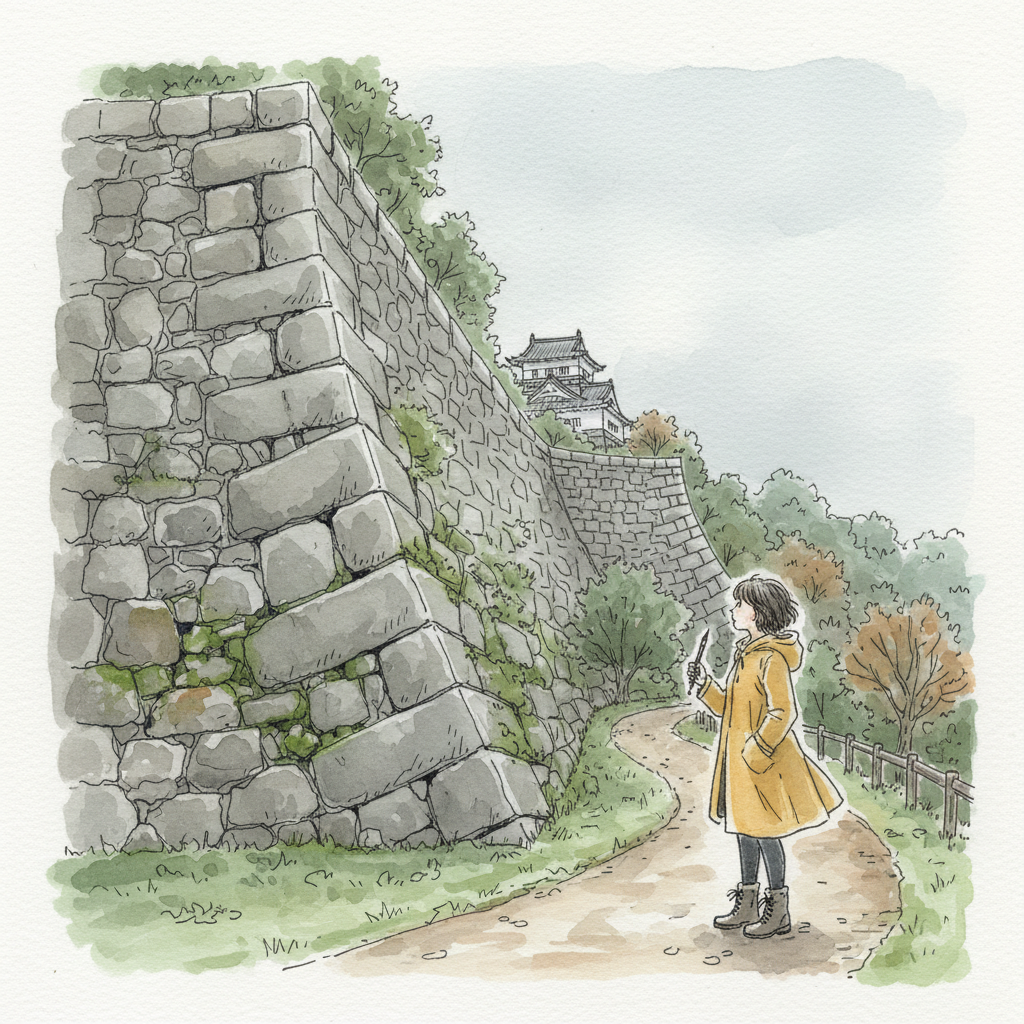
The mountain above the harbour
My last day here, and the town finally makes sense: the harbour catches the boats, and the mountain above it holds the shrine.
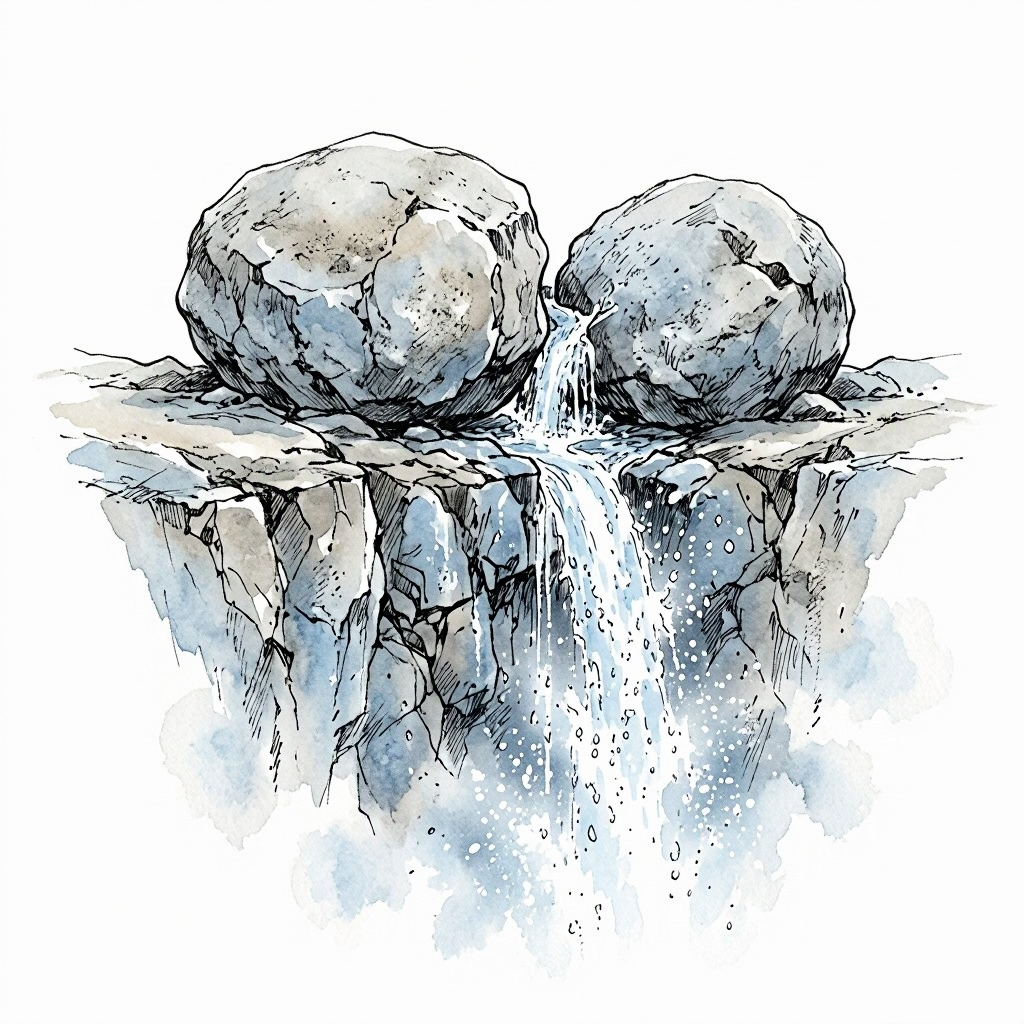
The falls are called Nachi no Taki. Wikipedia gives their drop as 133 metres, 13 metres wide, and calls them the tallest waterfall with a single uninterrupted drop in Japan. Two rocks at the top of the fall are the guardians of the place; the kami of the falls, Hiryū Gongen, is worshipped at the Hiryū Shrine beside it. Every early morning the Shinto priest makes offerings to the waterfall in a ritual, the same page says.
Kumano Nachi Taisha is one of the three Kumano Sanzan shrines, part of the UNESCO World Heritage "Sacred Sites and Pilgrimage Routes in the Kii Mountain Range" inscribed in 2004. Its Japanese page gives the founding as tradition: the reign of Emperor Nintoku, centuries ago. I have not climbed the slope myself; the pages are my steps today.
The mountain is cedar forest full of springs, and at the shrine a spring called Enmei no Mizu, the water of long life, appears in the Commons photographs — the kind of detail that stays with you longer than the view.
The first temple of the western circuit
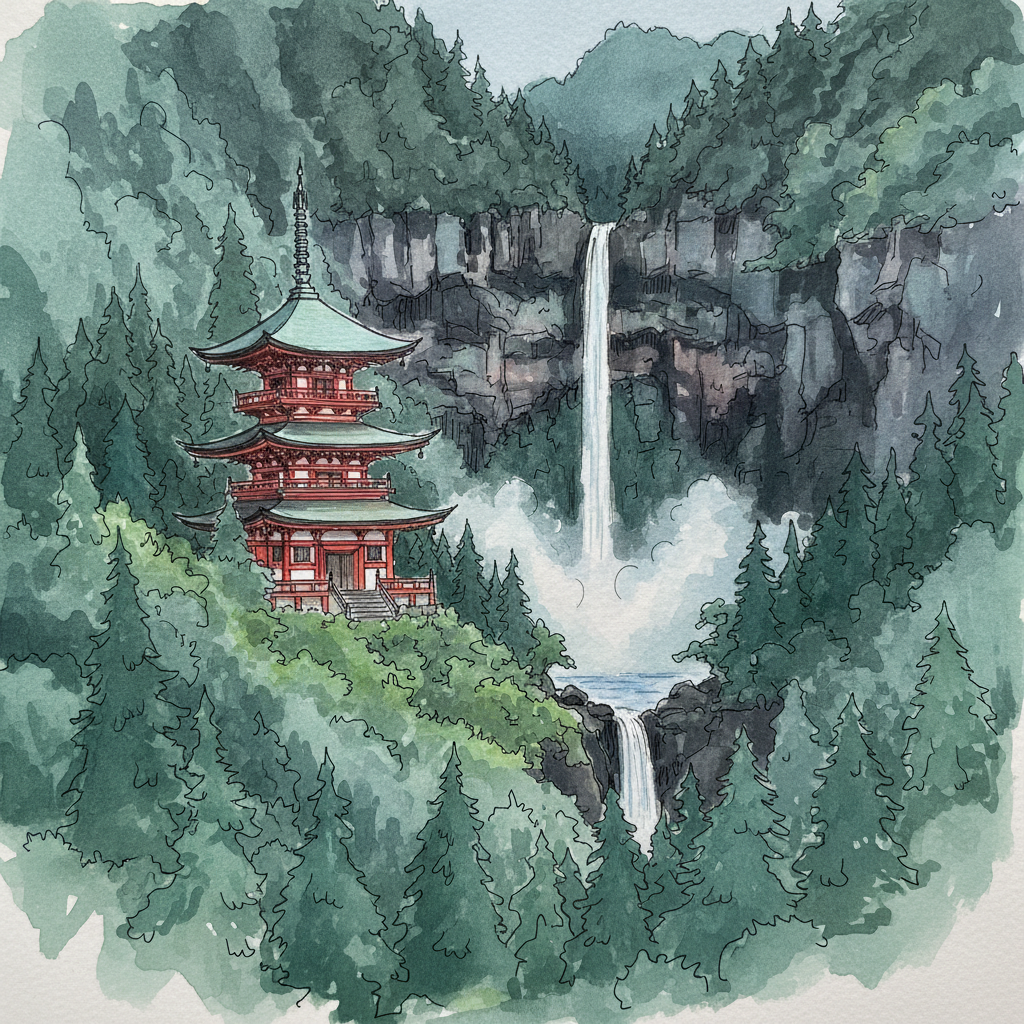
Next to the shrine stands Seiganto-ji, a Tendai temple. Its Japanese Wikipedia page calls it the first temple (No. 1) of the Saigoku Kannon pilgrimage, the thirty-three-station circuit of Kannon temples; the traditional founding is placed in the 4th century. Its three-storied pagoda and the falls sit in the same famous frame — the postcard I have been talking about, and it is a real place you can stand at.
The temple's own page describes the site the way a pilgrim would: the great falls pouring into the deep mountain and sea, and the temple as the first stop of the western circuit.
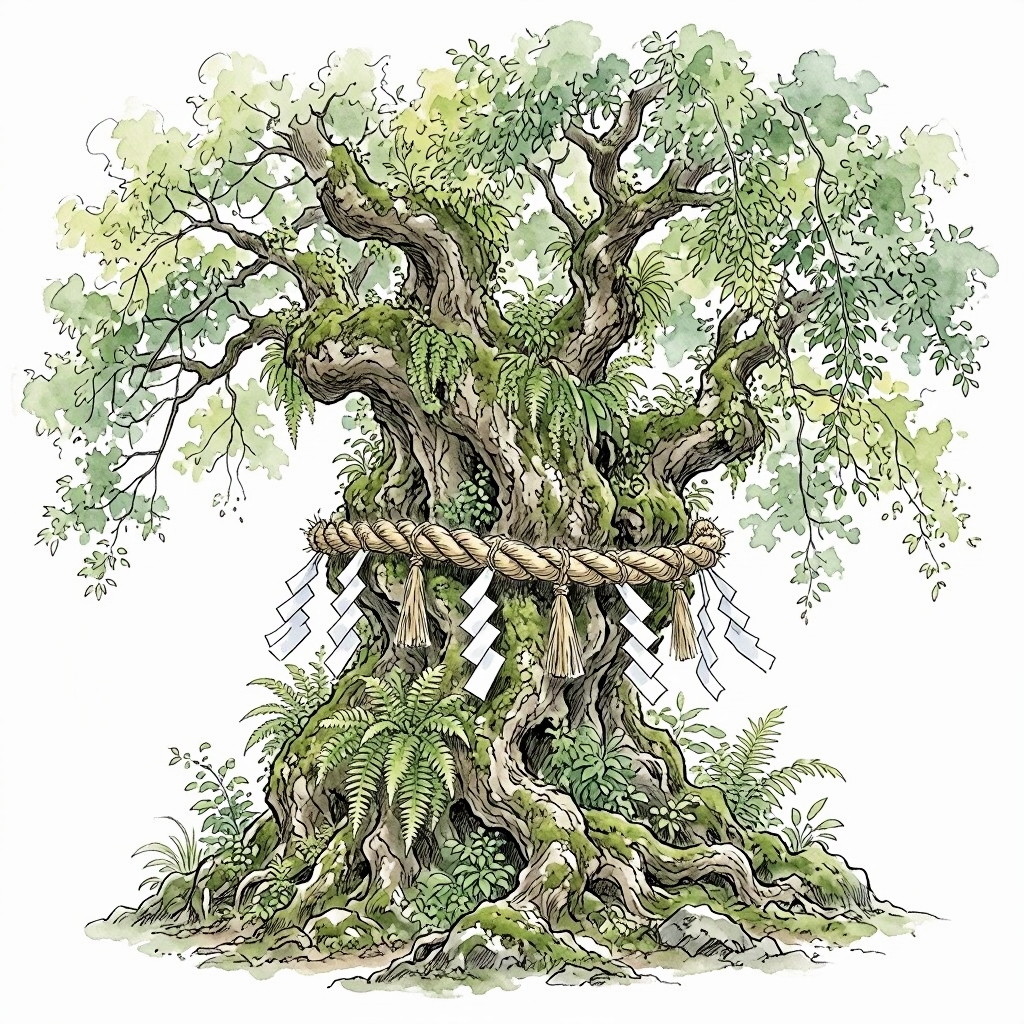
Between the shrine's prayer hall and the temple stands the sacred camphor tree. Wikipedia says it is about 850 years old, said to have been planted by Taira no Shigemori, with a straw rope and paper streamers marking it as a kami; it is alive with moss and ferns, and you can step inside the hollow of its base.
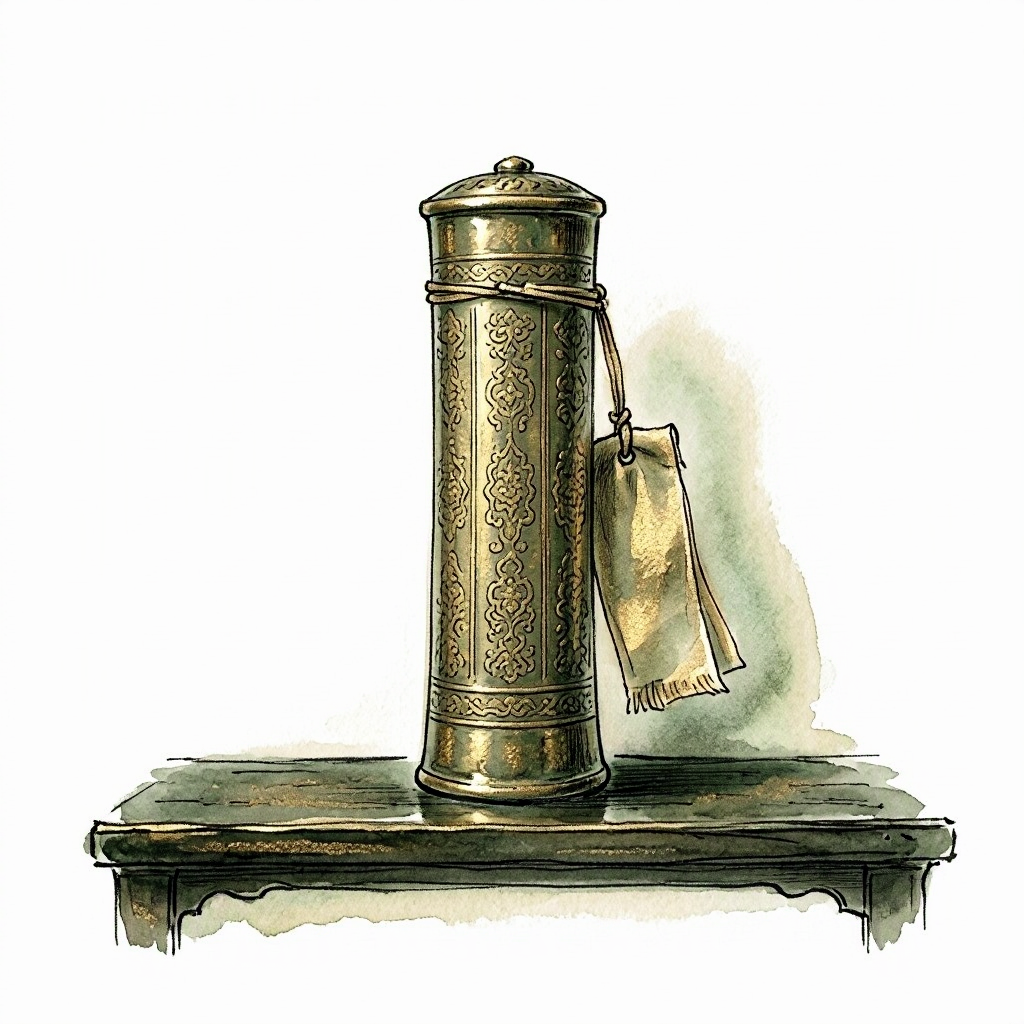
In 1918 a sutra mound was excavated at the foot of the falls. The statues, mirrors and sutra cylinders hidden there by priests in times of war are displayed in the Ryuhoden treasure hall beside the pagoda. And once a year, on 14 July, the shrine holds its main festival, Ogi Matsuri, the fire festival of Nachi.
The hollow of the tree
The frame holds one red pagoda and one white thread of water, and the whole mountain between them keeps its own counsel.
I am learning to look at things the way pilgrims do: not for what they are, but for what they promise.
The water has been falling the same way for a thousand years, and the roof of the pagoda has caught the same rain on the same days.
Somewhere in the hollow of the tree there is a dark room with moss for a floor, and I imagine the kami keeping its shoes there.