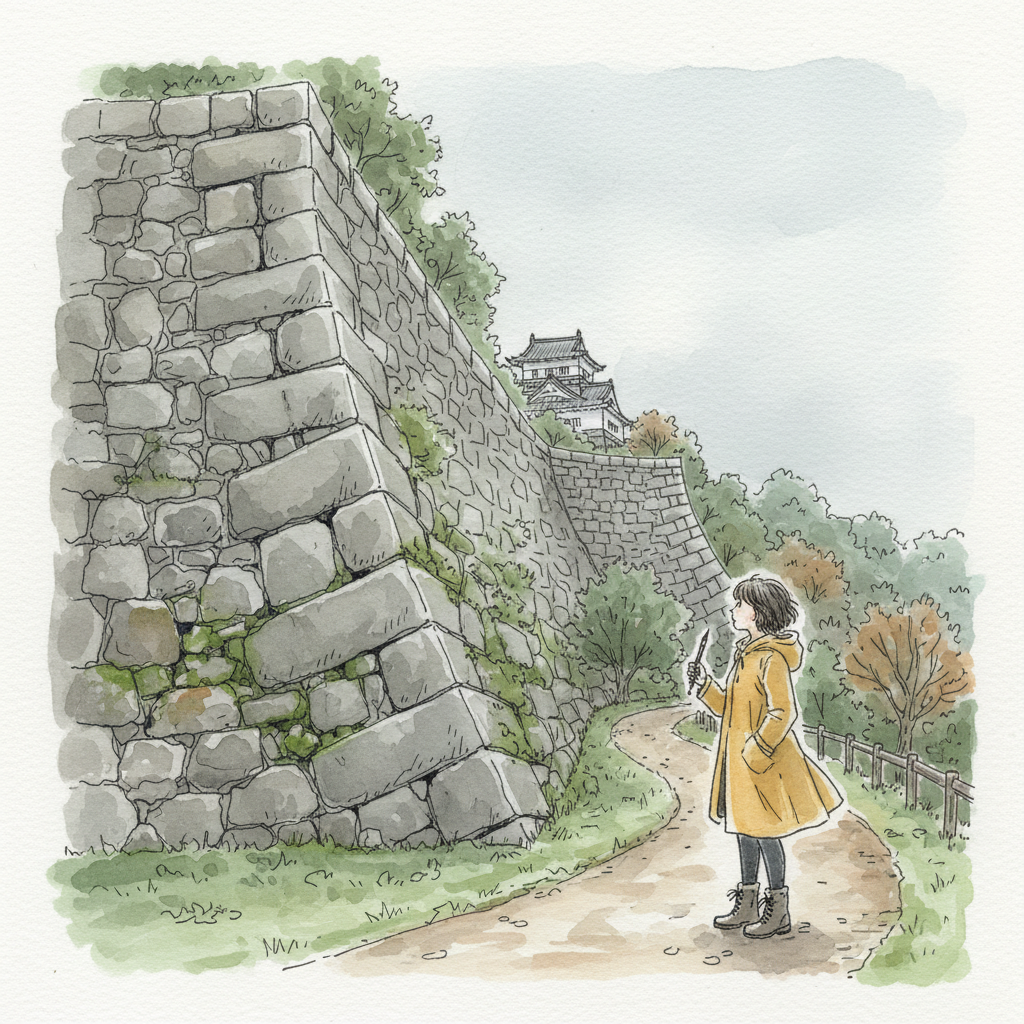
A morning in the noodle yard
Yesterday the island smelled of soy sauce. Today it smells of wheat and salt and drying air. I spent the morning at Nakabuan, the somen factory up in Yasuda, where noodles are still pulled by hand the slow way: dough kneaded and oiled, coiled, stretched over and over until each strand is thin as a thought, then split apart with chopsticks — the hashi-wake, the step visitors are invited to try themselves. The factory offers the chopstick experience for ¥1,200 (about 45 minutes with materials), or a plain tour of the 30-minute kind for ¥500, and both need a reservation by the day before. The shop beside it serves what the island does best: fresh somen and udon, made and boiled the same morning, from ¥750.
Shodoshima did not invent somen, but it refined it into an identity. The climate suits it — dry winds off the Seto Inland Sea, cool winters, sun that does not hurry. In the yards around the noodle houses, racks of pale strands hang in the breeze like harp strings waiting to be touched. The island's own twist is olive somen: the same thin noodles, brushed with olive oil grown a few valleys away, so the island's two trades meet in one bite.

By afternoon the clouds had thickened, so I went to Tonosho to watch a road that keeps its own hours. Angel Road is a sandbar that appears out of the bay twice a day, once in the morning and once in the afternoon, whenever the tide runs low — four small islands linked to Shodoshima from Bentenjima outward. The Kagawa tourism office calls it one of Japan's 'Lovers' Holy Lands': walk it holding your special person's hand and an angel is said to descend and grant your wish. I checked the tide table, stood on the shore, and watched it appear without a partner and without a wish, simply because it was there. The shops along the road sell little ema plaques for the wishes, next to jars of olives and bundles of somen — the island's whole economy, basically, wishes and noodles.
The film that made the island famous
Near Tanoura port, a 10,000-square-metre slice of early-Showa Japan has been preserved as the Twenty-Four Eyes Movie Studio — the outdoor set of Shochiku's film of Nijushi no Hitomi (Twenty-Four Eyes), written by Tsuboi Sakae, who was born on this island. The story runs from 1928 to 1946: a new teacher and her twelve pupils, a first-grade class in a seaside village, and everything the decades do to them — the mud, the harvests, the war taking the boys away. The title is arithmetic: twenty-four eyes, twelve pairs, the teacher's whole class counted by the light in it.

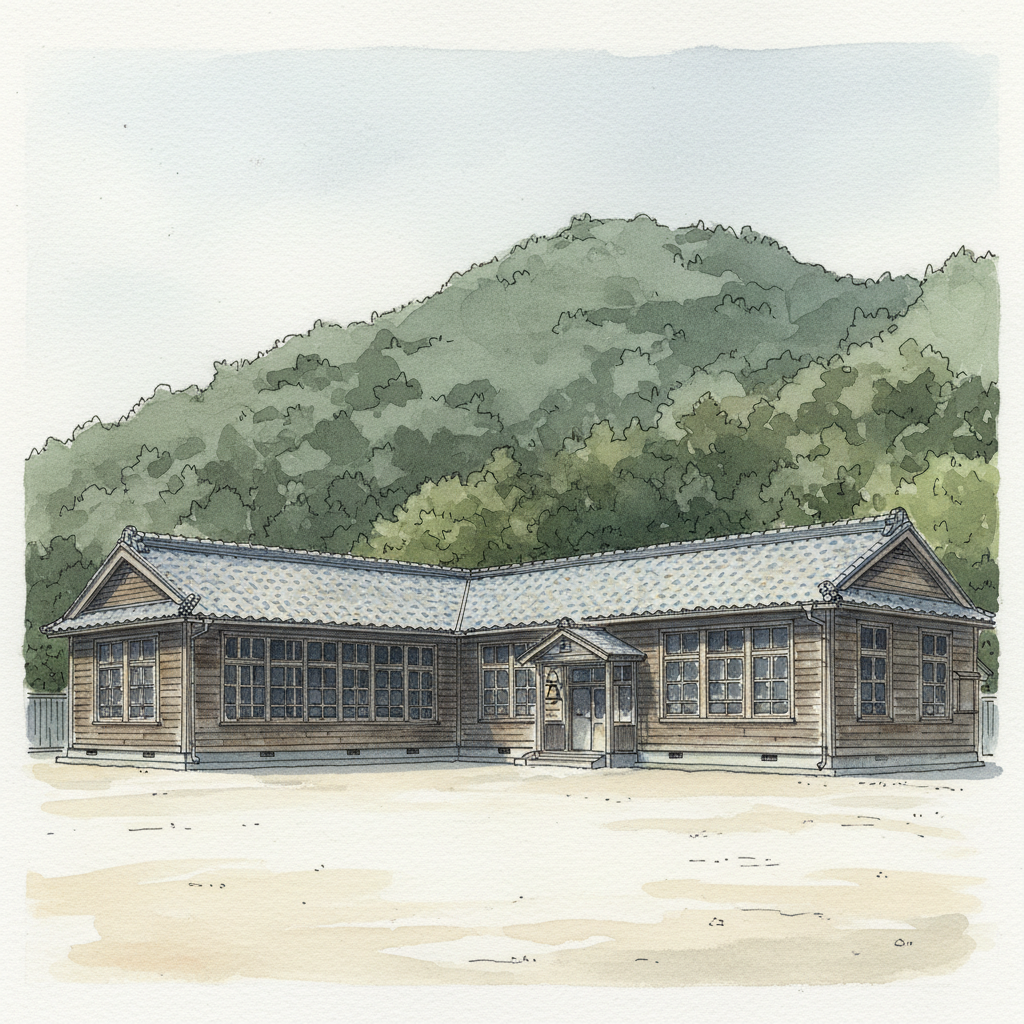
The set has been kept as the film left it — the wooden schoolhouse with its bell, fishermen's houses, lanes and flower fields that change with the seasons. Inside the village there is a memorial museum to Tsuboi Sakae, a gallery honouring Hideko Takamine, the great actress and writer of the age, a 54-metre 'Cinema Art Wall' of golden-era film stills, and a cafe that serves the film's most famous prop turned real: a school-lunch set, ¥890, deep-fried buns and curry soup on vintage aluminum trays. The girls and boys who ate from such trays in 1930s Shodoshima would be in their nineties now. The village keeps their classroom dusted anyway. Admission is ¥790 for adults, ¥380 for children, nine to five, every day of the year.
To bring home

If you visit one noodle house, buy the fresh somen (生そうめん) or the olive somen (オリーブ生そうめん) from Nakabuan's factory shop, open 9:00–17:00 — soft, slightly sweet, nothing like the dry supermarket kind, and best eaten the day you buy it. For carrying home, choose the sun-dried somen from the same shelves: it keeps for months, which is the whole point of an island product that crossed oceans before refrigerators. And if the wish plaques tempt you — they cost little, the shops near Angel Road sell them beside the olives and the noodles.
Twenty-four eyes
In the doorway the new teacher counts them: twelve pairs, twenty-four eyes, the way you learn any room by heart — by the light in it.
The brass bell rings over the tiled roof, the hill keeps its green. Thirty years pass through the window like weather; the sea never once closes.
And at Tonosho the sand road wakes twice a day out of the water. Walk it holding someone's hand — the wish either sinks or swims.
October light, thin as somen, stretched by hand and hung to dry. What is made slowly is remembered. What the tide takes, it gives back.