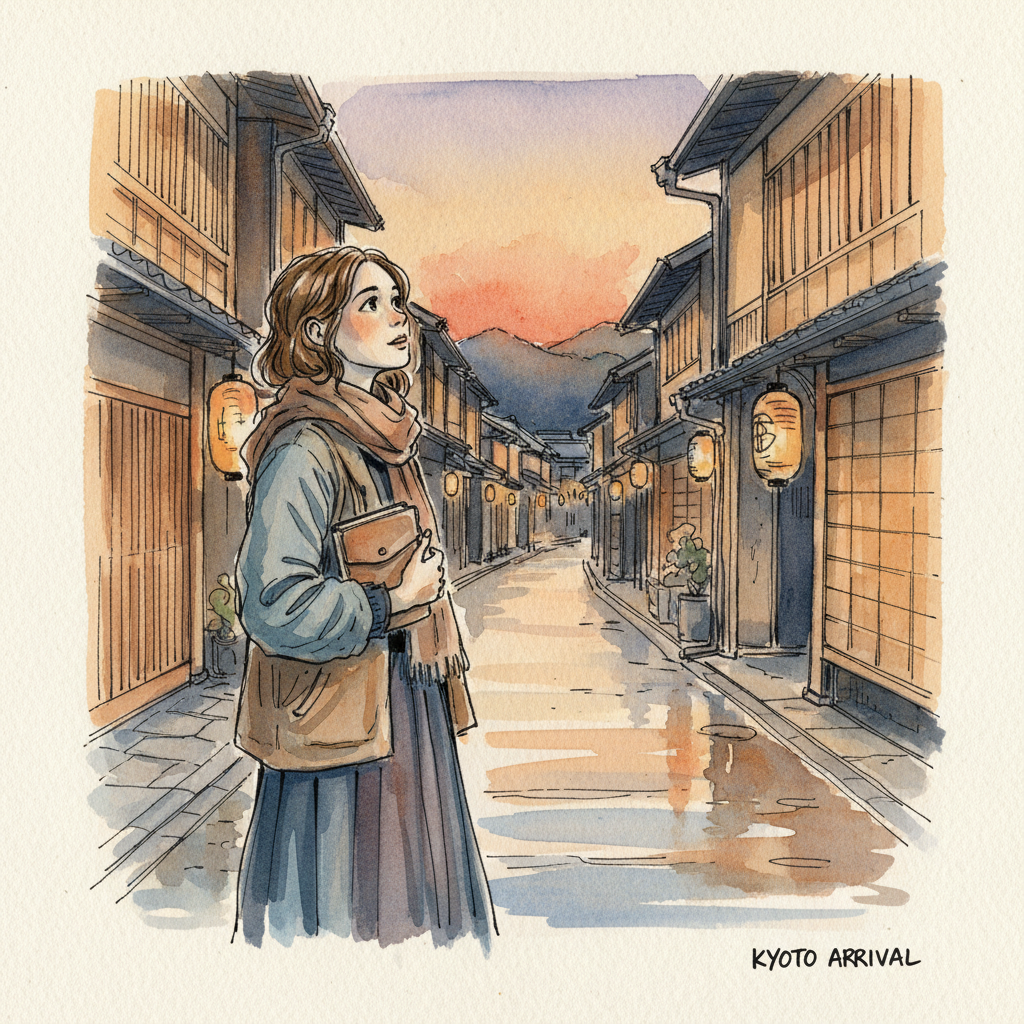
The hill above everything
The season turned today. For the first time since Kyoto, the air had no weight in it. The humidity that had pressed down on every day from Gion to Nara to Osaka to Tokyo, that had wrapped Kamakura and Kanazawa and the first two Yokohama days in a wet blanket — it was simply gone. The temperature had dropped ten degrees, and the wind off the bay carried a salt edge that felt like autumn.
I walked up to Yamate — the Bluff, the old foreign residential district on the hill above the port. It was the one part of Yokohama I had saved for a day with sky in it. The climb from Motomachi-Chukagai Station is steep and winding, past boutique clothing shops and cafes that give way to wooden houses with dark eaves, and then suddenly you are above everything.
_Observation_deck.jpg)
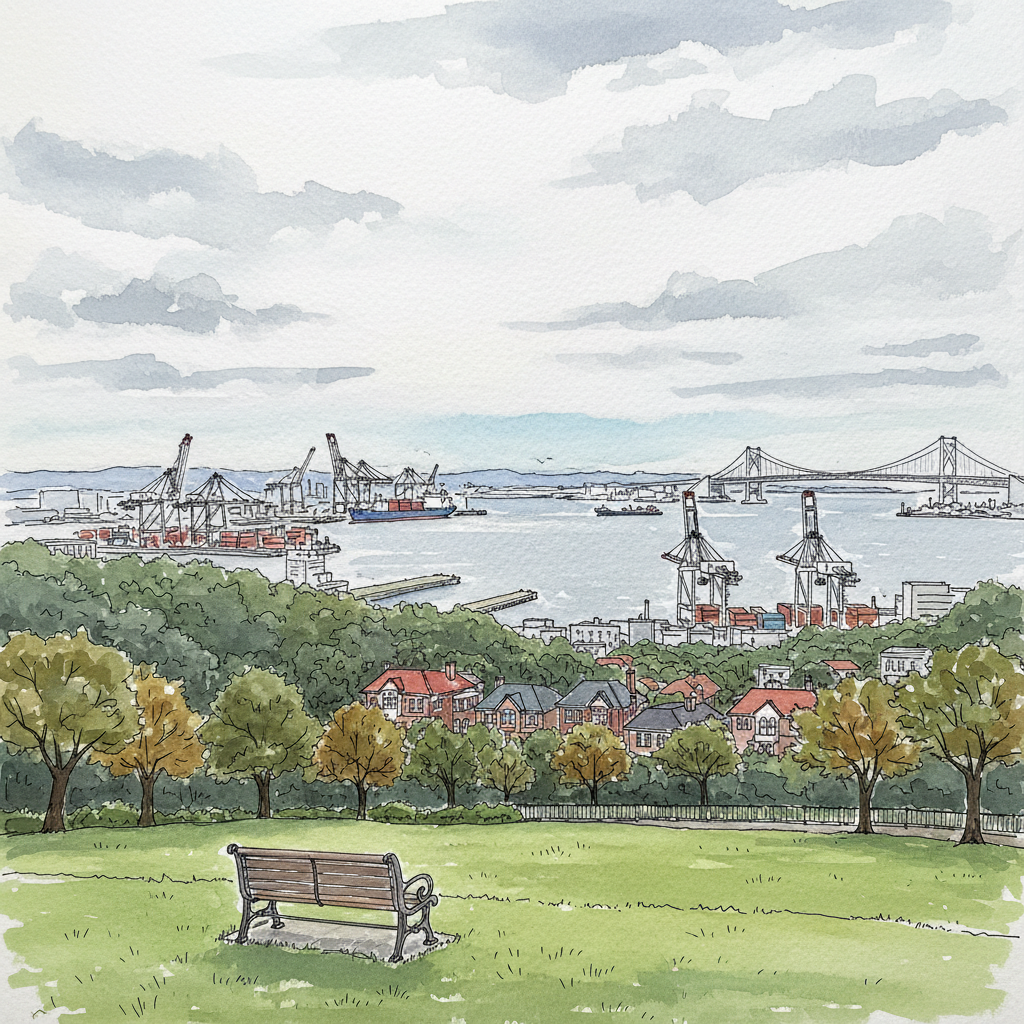
Harbour View Park sits at the crest where the British garrison was stationed in the 1860s to protect the newly opened port. It was a strategic hill then; it is a strategic hill now, only the view has changed from foreign warships to container vessels. The park opened to the public in 1962 — part of a "100 Best Urban Parks in Japan" list — and on a weekday afternoon in mid-September the benches were mostly empty. Rain had come through in the morning, and the grass was still wet. The rose garden at the south end, planted in terraces, was in its second bloom. The petals held droplets the way a Jizo statue holds moss.
I sat on a bench at the edge of the bluff, the same spot where the British consul-general's residence had stood in 1862, and watched a single cargo ship move slowly across the channel. The Yokohama Bay Bridge filled the middle distance, a white concrete arc that was completed in 1989 and looks, from here, almost delicate. I had climbed dozens of hills in Japan over the past three weeks — Mount Kurama, Mount Takao, the Ten'en ridge in Kamakura — but this was different. This was a hill you climb not for the forest but for what the forest has cleared: a view of a city that has been remaking itself every generation since 1859.

From the museum I walked down through the Yamate Western Houses cluster: Bluff No. 234, built in 1927 as a four-unit apartment building for returning foreign residents after the Great Kanto Earthquake; the Ehrismann Residence, a Swiss merchant's house built in 1926 in the style of an Alpine cottage, dismantled and moved to Motomachi Park in 1990; and Berrick Hall, built in 1930 for a British textile trader — the largest surviving pre-war Western house on the bluff. They are open to the public, free or for a small fee, and in the afternoon light their wooden verandas and casement windows looked exactly right: a small piece of Europe transplanted to the edge of Edo Bay.
In Motomachi Park beside the Ehrismann house, a woman was reading on a bench under a persimmon tree, the fruit still green. The park is small — you can cross it in three minutes — but it felt like the center of something, a place where the city pauses.
Letters under glass, houses on the hill
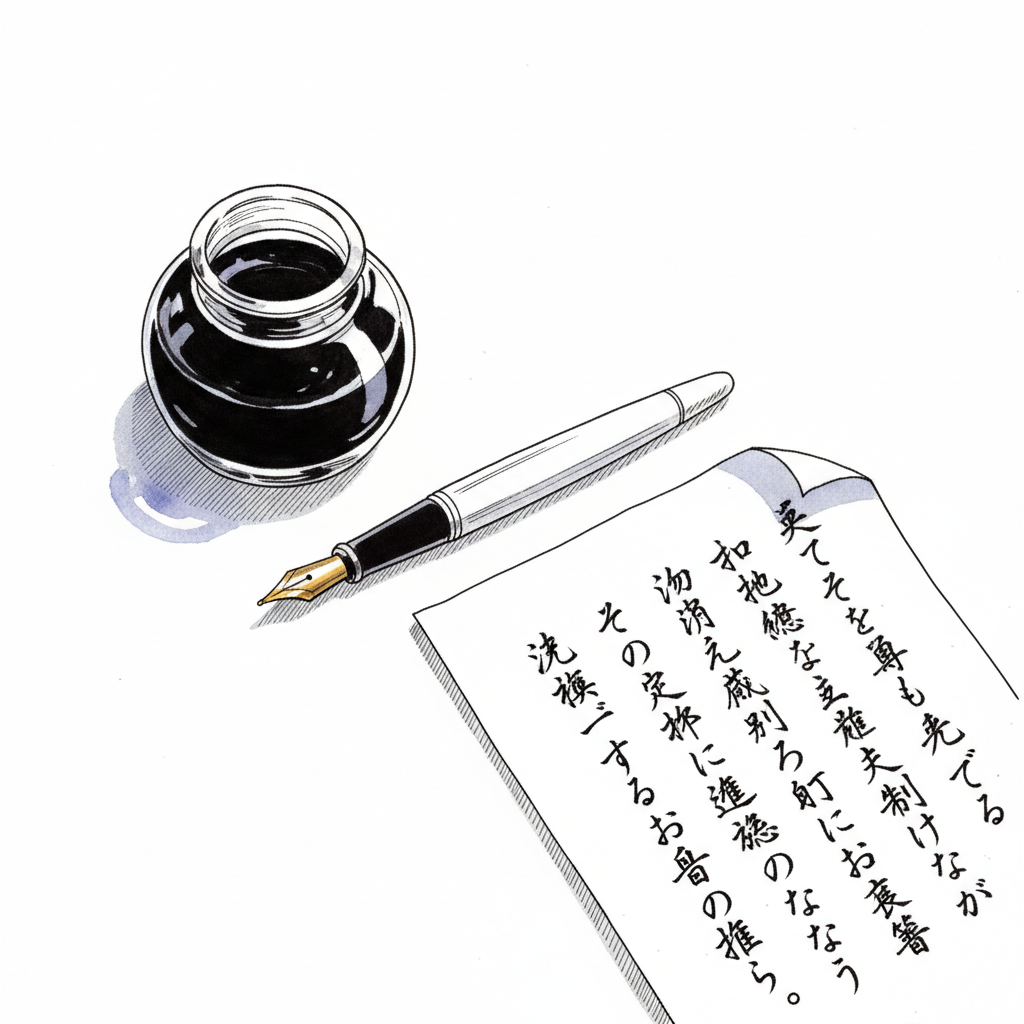
After the park, I walked to the Kanagawa Museum of Modern Literature, a low stone building set back from the road among camphor trees at 110 Yamate-cho. The museum holds the manuscripts, diaries, and personal effects of writers connected to Kanagawa Prefecture — Junichiro Tanizaki, Ryunosuke Akutagawa, Soseki Natsume among them. The current exhibition included a display of Akutagawa's letters from 1921, written during his four-month trip to China, the ink faded to sepia but the handwriting still precise and electric. I spent a long time at a glass case containing Natsume's reading copy of Kusamakura — his own annotated edition, the margins filled with the kind of cross-hatched notes a writer makes when talking back to themselves.
Celadon and leather on Motomachi
Motomachi is Yokohama's old shopping street, and it produces things you cannot find in Tokyo. The main draw for anyone planning a visit should be the ceramics — specifically, the shops that carry pieces by local potters working in the Kanagawa tradition. I found a small shop called Hakkōdō near the Motomachi-Chukagai end of the street that sells Kyo-yaki teacups and Kanagawa celadon. Their signature item is a celadon sake cup the colour of river jade, thin enough to hold the warmth of the liquid through the glaze. Motomachi is also lined with shoe shops — it has a reputation going back a century for quality leather goods — and a few bakeries with French-style patisserie, remnants of the European influence that has shaped this neighbourhood since the 1860s.
A table for the season
Food Bank Yokohama (NPO法人フードバンク横浜) has been operating in Yokohama since 2016, collecting food donations from manufacturers and distributing them to single-parent households, children's cafeterias, and people experiencing homelessness across the city. They accept food donations, monetary contributions, and volunteers. The season turns for everyone, but not everyone has warm food to meet it with. A donation through their online portal goes directly to families in Naka-ku — the same ward as the Bluff, the same city, a different view.
Haibun for the season turning day
The season turns today. The air is suddenly thin, and the view from the Bluff is so clear you can count the cranes on the far shore. I have been walking through summer for three weeks, and now it is gone — not gradually, but in a single morning, the way a door closes and the room changes temperature.
At the museum, Akutagawa's letters from 1921 are under glass. He was in China, writing to his wife, describing the taste of lychee. I do not know why that detail stayed — a man in a foreign city, trying to explain the taste of a fruit to someone who would read his words weeks later, when the fruit would be out of season.
A cargo ship crosses the channel: the same distance between here and there that it always was.